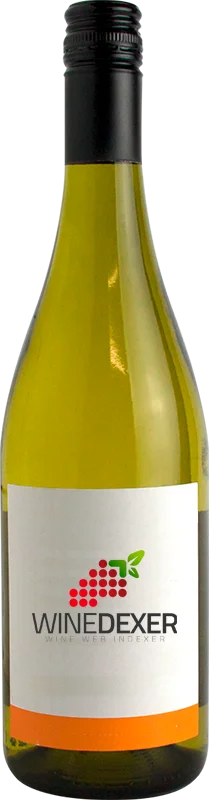
Winery BiscegliaTerra di Vulcano Fiano
 White wine


In the mouth this white wine is a powerful.
This wine generally goes well with vegetarian, appetizers and snacks or shellfish.
Taste structure of the Terra di Vulcano Fiano from the Winery Bisceglia
Light | Bold | |
Dry | Sweet | |
Soft | Acidic |
In the mouth the Terra di Vulcano Fiano of Winery Bisceglia in the region of Basilicata is a powerful.
Wine flavors and olphactive analysis

Food and wine pairings with Terra di Vulcano Fiano
Pairings that work perfectly with Terra di Vulcano Fiano



Original food and wine pairings with Terra di Vulcano Fiano
The Terra di Vulcano Fiano of Winery Bisceglia matches generally quite well with dishes of shellfish, vegetarian or appetizers and snacks such as recipes of scupion (small cuttlefish) in hot sauce, zucchini and goat cheese quiche or snowman in pudding.
Details and technical informations about Winery Bisceglia's Terra di Vulcano Fiano.
Discover the grape variety: Panse de Provence
Most certainly of oriental origin, introduced in Spain then spread in France, in Italy, in North Africa... more generally on all the Mediterranean basin. It can also be found in the United States, Thailand, ... and in many other countries. It should not be confused with the early or Sicilian pansy at first maturity.
Last vintages of this wine
The best vintages of Terra di Vulcano Fiano from Winery Bisceglia are 2013, 0
Informations about the Winery Bisceglia
The Winery Bisceglia is one of of the world's great estates. It offers 24 wines for sale in the of Basilicata to come and discover on site or to buy online.

The wine region of Basilicata
Basilicata, in Southern Italy, is a region whose name rarely appears in wine circles. It is best known for its red wines made from the Aglianico grape, and in particular for the Aglianico del Vulture appellation. It has only four DOCs, which collectively cover only two of every 100 bottles produced here. The remaining 98% is sold under IGT or, more likely, Vino da Tavola.
The word of the wine: Mouth
The mouth is the third stage of wine tasting after the eye and nose. In the mouth, the taster identifies the aromas through the retronasal route, the flavours and the texture. It is in the mouth that the overall balance of the wine is apprehended.