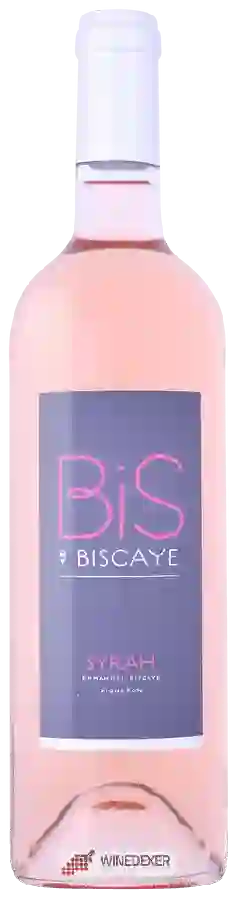
Winery Emmanuel BiscayeBis by Biscaye Syrah Rosé
 Pink wine



In the mouth this pink wine is a powerful with a nice freshness.
This wine generally goes well with vegetarian, appetizers and snacks or lean fish.

Taste structure of the Bis by Biscaye Syrah Rosé from the Winery Emmanuel Biscaye
Light | Bold | |
Dry | Sweet | |
Soft | Acidic |
In the mouth the Bis by Biscaye Syrah Rosé of Winery Emmanuel Biscaye in the region of Pays d'Oc is a powerful with a nice freshness.
Food and wine pairings with Bis by Biscaye Syrah Rosé
Pairings that work perfectly with Bis by Biscaye Syrah Rosé



Original food and wine pairings with Bis by Biscaye Syrah Rosé


The Bis by Biscaye Syrah Rosé of Winery Emmanuel Biscaye matches generally quite well with dishes of pasta, vegetarian or appetizers and snacks such as recipes of pasta with shrimp, quiche without pastry or cream of asparagus soup in verrines.
Details and technical informations about Winery Emmanuel Biscaye's Bis by Biscaye Syrah Rosé.
Discover the grape variety: Ancellotta
Intensely coloured, supple reds with an inky violet robe, melted tannins and moderate acidity. Aromas of black cherry, blackberry, plum, violet and soft spicy notes. Round palate, best drunk young. The quintessential blending variety, massively blended with Lambrusco to intensify the colour of Emilia-Romagna sparkling wines; also vinified as a single variety in Argentina, Switzerland and Portugal. Native Italian variety from the province of Reggio Emilia.
Last vintages of this wine
The best vintages of Bis by Biscaye Syrah Rosé from Winery Emmanuel Biscaye are 2017, 2015, 2014, 2016
Informations about the Winery Emmanuel Biscaye
The Winery Emmanuel Biscaye is one of of the world's greatest estates. It offers 7 wines for sale in the of Pays d'Oc to come and discover on site or to buy online.

The wine region of Pays d'Oc
The single-grape IGP par excellence: modern, accessible, frank and fruity wines, the popular signature of the Midi. Spicy Syrah reds (pepper, blackberry), round Merlot, structured Cabernet, generous Grenache, supple Cinsault. Crisp, tangy rosés. Opulent Chardonnay whites, lively Sauvignon, floral, apricoty Viognier.
The word of the wine: Musky
Characteristic of the musk smell.