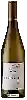
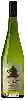
Winery BigeardMuscadet-Sevre et Maine
 Red wine
This wine generally goes well with appetizers and snacks, lean fish or shellfish.

Food and wine pairings with Muscadet-Sevre et Maine
Pairings that work perfectly with Muscadet-Sevre et Maine



Original food and wine pairings with Muscadet-Sevre et Maine

The Muscadet-Sevre et Maine of Winery Bigeard matches generally quite well with dishes of shellfish, appetizers and snacks or lean fish such as recipes of penne with shrimp and zucchini, cream of asparagus soup in verrines or cod gratin paolita style.
Details and technical informations about Winery Bigeard's Muscadet-Sevre et Maine.
Discover the grape variety: Lagorthi
Lively, structured altitude whites with a pale golden robe, an airy, taut palate with fine acidity, and signature aromas of citrus (lemon), white flowers, white-fleshed fruits (pear), and calcareous mineral notes. Excellent ageing potential. The star of Patras and Achaia whites (Peloponnese), thriving on high-altitude limestone terroirs of the northern Peloponnese.
Informations about the Winery Bigeard
The Winery Bigeard is one of of the world's greatest estates. It offers 2 wines for sale in the of Muscadet-Sevre et Maine to come and discover on site or to buy online.

The wine region of Muscadet-Sevre et Maine
The wine region of Muscadet-Sevre et Maine is located in the region of Muscadet of Muscadet of France. Wineries and vineyards like the Domaine de l'Ecu or the Domaine de Bellevue produce mainly wines white and red. The most planted grape varieties in the region of Muscadet-Sevre et Maine are Melon, Muscadelle and Folle blanche, they are then used in wines in blends or as a single variety. On the nose of Muscadet-Sevre et Maine often reveals types of flavors of cream, asparagus or baked apple and sometimes also flavors of honeydew melon, hay or citrus zest.
The wine region of Loire Valley
Kingdom of lively, dry whites and fine sparklers. Mineral, taut Sauvignon Blanc (Sancerre, Pouilly-Fumé) with citrus and gunflint notes. Multiform Chenin Blanc (Vouvray, Savennières, Layon): straight dry, floral off-dry or noble sweet honey-quince. Saline, iodised Muscadet (Melon B.
The word of the wine: Concentrator
A device that removes water from grape must by reverse osmosis or entropy system. Its proponents say that it is better to remove water than to add sugar to produce more alcohol. The improperly used concentrator can also exaggerate bad tastes or greenness of tannins.