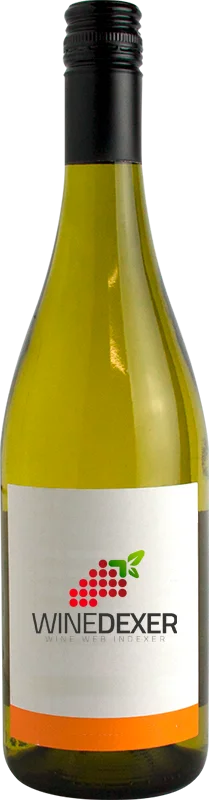
Winery Les Celliers de SionBibacchus Amigne
 White wine



This wine generally goes well with
Wine flavors and olphactive analysis

On the nose the Bibacchus Amigne of Winery Les Celliers de Sion in the region of Valais often reveals types of flavors of earth, tree fruit.
Details and technical informations about Winery Les Celliers de Sion's Bibacchus Amigne.
Discover the grape variety: Amigne
A very old vine cultivated in the Swiss Valais, more precisely in Vétroz. The latest genetic analyses, to be confirmed however, show that it would be related to the petit meslier and in fact to the gouais and the savagnin. It should be noted that it is only known in its country and region of origin.
Last vintages of this wine
The best vintages of Bibacchus Amigne from Winery Les Celliers de Sion are 2017, 2013, 2015, 2018 and 0.
Informations about the Winery Les Celliers de Sion
The Winery Les Celliers de Sion is one of of the world's greatest estates. It offers 18 wines for sale in the of Valais to come and discover on site or to buy online.

The wine region of Valais
The Valais is the largest wine region and appellation in Switzerland, responsible for around one third of the country's total wine production. The main Vineyard area covers the southeast-facing slopes of the dramatic Rhône river valley as the glacial waters run southwest between Leuk (Loeche in French) and Fully. The river changes direction at Martigny and then runs northwest to exit the valley and empty into Lac Léman (Lake Geneva). Vineyard area here comes to around 4,800 hectares (11,800 acres) and is generally located on (often steep) slopes and terraces between the flat, fertile, Heavy soils at the bottom of the valley - often given over to fruit production, industry and urban development - and the bare rock of the mountainside that towers above.
The word of the wine: Free-run wine
The free-run wine is the wine that flows out of the vat by gravity at the time of running off. The marc soaked in wine is then pressed to extract a rich and tannic wine. Free-run wine and press wine are then aged separately and eventually blended by the winemaker in proportions defined according to the type of wine being made.