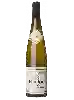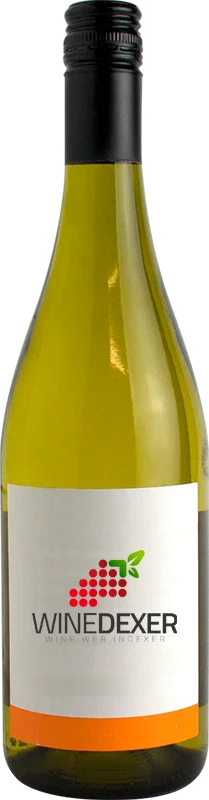
Winery BestheimVieilles Vignes Muscat
 White wine



This wine generally goes well with spicy food and sweet desserts.

Wine flavors and olphactive analysis

On the nose the Vieilles Vignes Muscat of Winery Bestheim in the region of Alsace often reveals types of flavors of peach, earth or tree fruit and sometimes also flavors of citrus fruit, tropical fruit.
Food and wine pairings with Vieilles Vignes Muscat
Pairings that work perfectly with Vieilles Vignes Muscat


Original food and wine pairings with Vieilles Vignes Muscat
The Vieilles Vignes Muscat of Winery Bestheim matches generally quite well with dishes of spicy food or sweet desserts such as recipes of caramel pork or chantilly cream.
Details and technical informations about Winery Bestheim's Vieilles Vignes Muscat.
Discover the grape variety: Rubi
Light, simple fruity reds with a lightly coloured clear ruby colour, soft tannins and an airy palate with moderate acidity, showing undemonstrative aromas of red fruits. Discreet rustic profile. Almost extinct, preserved in INRAE varietal collections for its heritage value, a witness to the pre-phylloxera ampelographic diversity of the South-West and part of the heritage varieties under study. Rare French black variety, formerly grown in the South-West.
Last vintages of this wine
The best vintages of Vieilles Vignes Muscat from Winery Bestheim are 2017, 2014, 2012, 2015 and 2016.
Informations about the Winery Bestheim
The Winery Bestheim is one of of the world's great estates. It offers 126 wines for sale in the of Alsace to come and discover on site or to buy online.

The wine region of Alsace
Capital of great French aromatic whites, most often dry and single-varietal. Straight, mineral Riesling (lemon, gunflint), opulent, exuberant Gewurztraminer (lychee, rose, spices), round, smoky Pinot Gris, floral, crisp Muscat, supple Pinot Blanc. Fine, fruity Crémants d'Alsace, exceptional sweet Vendanges Tardives and Sélection de Grains Nobles. 15,500 ha at the foot of the Vosges on varied soils, 51 Grands Crus since 1975.
The word of the wine: Rootstock
American vine on which a French vine is grafted. This is the consequence of the phylloxera that destroyed the vineyard at the end of the 19th century: after much trial and error, it was discovered that the "pest" spared the roots of the American vines, and the technique became widespread.