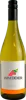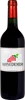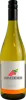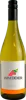
Winery Berta MaillolRancio Sec
 Red wine
This wine generally goes well with beef, veal or pasta.

Food and wine pairings with Rancio Sec
Pairings that work perfectly with Rancio Sec



Original food and wine pairings with Rancio Sec
The Rancio Sec of Winery Berta Maillol matches generally quite well with dishes of beef, pasta or veal such as recipes of beef tongue in hot sauce, pasta with sausage or caramelized lamb mice.
Details and technical informations about Winery Berta Maillol's Rancio Sec.
Discover the grape variety: Carcajolo Bianco
Fresh, simple dry whites with a pale golden robe, a supple palate and preserved acidity. Understated aromas of citrus, white flowers and Mediterranean iodine notes. Rustic, airy profile, best drunk young. A precious witness of Corsica's insular ampelographic heritage, often blended in local whites and subject to conservation plantings under the CRVI. White mutation of Carcajolo Noir, a rare Corsican grape grown in Corse-du-Sud.
Informations about the Winery Berta Maillol
The Winery Berta Maillol is one of wineries to follow in Côte Vermeille.. It offers 19 wines for sale in the of Côte Vermeille to come and discover on site or to buy online.

The wine region of Côte Vermeille
IGP of the southern Pyrénées-Orientales on the Mediterranean coast (4 communes from Collioure to Cerbère at the Spanish border, terraces on Cambrian grey schist facing the sea, hot-dry climate tempered by sea breezes): Grenache is the Catalan signature red — full-bodied and warm with black fruits and mineral schist notes. Mourvèdre, Syrah and Carignan in reds and rosés, Grenache Blanc, Vermentino and Roussanne in floral whites with saline minerality.
The wine region of Pays d'Oc
The single-grape IGP par excellence: modern, accessible, frank and fruity wines, the popular signature of the Midi. Spicy Syrah reds (pepper, blackberry), round Merlot, structured Cabernet, generous Grenache, supple Cinsault. Crisp, tangy rosés. Opulent Chardonnay whites, lively Sauvignon, floral, apricoty Viognier.
The word of the wine: Bâtonnage
A very old technique that has come back into fashion in modern oenology, which consists of shaking the white wine in the barrels at the end of fermentation, or after fermentation, with a stick or a flail, in order to suspend the fine lees composed of yeasts at the end of their activity. This process is sometimes used for red wines.