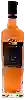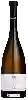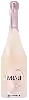
Château de BerneCuvée Sauvage Brut Rosé
 Sparkling wine



This wine generally goes well with
Details and technical informations about Château de Berne's Cuvée Sauvage Brut Rosé.
Discover the grape variety: Merlot noir
This grape variety most certainly originates from the Bordeaux region and is registered in the Official Catalogue of vine varieties, list A1. According to genetic analyses carried out in Montpellier (Hérault), it is the result of a cross between the magdeleine noire des Charentes and the cabernet franc. It should also be noted that it is the half-brother of the côt or malbec and that it is not the black form of the white merlot, but its resemblance reminds us that it is indeed a descendant.
Informations about the Château de Berne
The Château de Berne is one of of the world's great estates. It offers 47 wines for sale in the of Côtes de Provence to come and discover on site or to buy online.

The wine region of Côtes de Provence
The AOC Côtes de Provence is the largest appellation in the Provence wine region of southeastern France. It covers about 20,000 hectares of vineyards, which produce the vast majority of Provence's rosé wine. This appellation includes most of the vineyards in the Var department - essentially the eastern half of the Provence wine region - with the exception of 2,250 hectares North of Toulon which are reserved for the Côteaux Varois en Provence appellation. Although it also covers red and white wine, about 80% of Côtes de Provence production is rosé.
The wine region of Provence
Provence is a wine region in the far southeast of France, best known for the quality (and quantity) of its rosé wines and for its Warm, mild Climate. The modernization that is taking place in many of the traditional wine regions of southern France has not yet taken place to the same extent in Provence, but there are Clear signs of change. The region's Grape varieties, in particular, have come under scrutiny in recent decades. Traditional varieties such as Carignan, Barbaroux (Barbarossa from Sardinia) and Calitor are being replaced by more commercially viable varieties such as Grenache, Syrah and even Cabernet Sauvignon.
The word of the wine: Water stress
Lack of water. Water stress blocks the vegetative cycle of the vine, which uses all available resources to maintain the integrity of the plant, thus blocking the ripening process of the grapes.