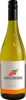
Winery Bergamo Vini128 Sauvignon Blanc
 White wine


In the mouth this white wine is a powerful.
This wine generally goes well with lean fish, shellfish or mature and hard cheese.

Taste structure of the 128 Sauvignon Blanc from the Winery Bergamo Vini
Light | Bold | |
Dry | Sweet | |
Soft | Acidic |
In the mouth the 128 Sauvignon Blanc of Winery Bergamo Vini in the region of Veneto is a powerful.
Food and wine pairings with 128 Sauvignon Blanc
Pairings that work perfectly with 128 Sauvignon Blanc



Original food and wine pairings with 128 Sauvignon Blanc


The 128 Sauvignon Blanc of Winery Bergamo Vini matches generally quite well with dishes of pasta, shellfish or mature and hard cheese such as recipes of spaghetti carbonara, mussel clusters or quinoa parmentier and pumpkin purée.
Details and technical informations about Winery Bergamo Vini's 128 Sauvignon Blanc.
Discover the grape variety: Királyleányka
Lively, aromatic whites best enjoyed young, with a pale golden robe, airy palate with preserved acidity, and signature muscat, floral (acacia, orange blossom) and white fruit (pear, apple) aromas. Productive variety contributing to dry and off-dry Hungarian and Romanian whites, mainly in Transylvania and central Hungary. Hungarian autochthonous white grape whose name means "little princess".
Last vintages of this wine
The best vintages of 128 Sauvignon Blanc from Winery Bergamo Vini are 0
Informations about the Winery Bergamo Vini
The Winery Bergamo Vini is one of of the world's greatest estates. It offers 18 wines for sale in the of Veneto to come and discover on site or to buy online.

The wine region of Veneto
World star of Prosecco: fresh, light Glera sparklers with notes of pear, green apple and white flowers, fruity, convivial bubbles. Veronese reds from Corvina and Rondinella: light, crisp Bardolino, fruity Valpolicella, opulent, concentrated Amarone DOCG (black cherry, chocolate, raisin) from dried grapes. Mineral, almondy Soave (Garganega) whites, fresh Pinot Grigio. 97,500 ha, Italy's largest production.
The word of the wine: Guyot (pruning)
This is the most widespread pruning technique. It includes one or two long branches and allows the mechanization of a large number of vineyard operations.