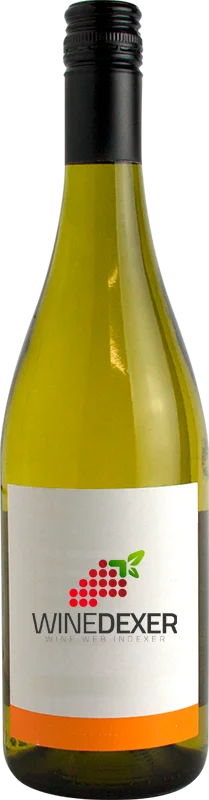
Winery BellottoProsecco Extra Dry
 White wine
This wine generally goes well with appetizers and snacks, rich fish (salmon, tuna etc) or shellfish.

Food and wine pairings with Prosecco Extra Dry
Pairings that work perfectly with Prosecco Extra Dry



Original food and wine pairings with Prosecco Extra Dry


The Prosecco Extra Dry of Winery Bellotto matches generally quite well with dishes of rich fish (salmon, tuna etc), shellfish or mature and hard cheese such as recipes of salmon pave en papillotte, chicken chop suey or gratin of ratatouille with comté cheese.
Details and technical informations about Winery Bellotto's Prosecco Extra Dry.
Discover the grape variety: Ugni blanc
Dry, neutral and nervy whites with a pale robe, slender mouthfeel and sharp acidity, with discreet aromas of citrus, green apple, white flowers and herbaceous notes. The ideal profile for distillation: absolute pillar of Cognac AOC (over 95% of the Charentes vineyard) and Armagnac AOC. Also produced as still whites in Provence, Languedoc and Corsica. French synonym for Italian Trebbiano Toscano, one of the most planted varieties in the world.
Informations about the Winery Bellotto
The Winery Bellotto is one of of the world's greatest estates. It offers 9 wines for sale in the of Veneto to come and discover on site or to buy online.

The wine region of Veneto
World star of Prosecco: fresh, light Glera sparklers with notes of pear, green apple and white flowers, fruity, convivial bubbles. Veronese reds from Corvina and Rondinella: light, crisp Bardolino, fruity Valpolicella, opulent, concentrated Amarone DOCG (black cherry, chocolate, raisin) from dried grapes. Mineral, almondy Soave (Garganega) whites, fresh Pinot Grigio. 97,500 ha, Italy's largest production.
The word of the wine: Cupbearer
Person in charge of choosing and serving wines. Old term for the sommelier.