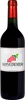
Winery Baronia de TurisHenri Marc Merlot
 Red wine


In the mouth this red wine is a powerful.
This wine generally goes well with beef, veal or lamb.

Taste structure of the Henri Marc Merlot from the Winery Baronia de Turis
Light | Bold | |
Smooth | Tannic | |
Dry | Sweet | |
Soft | Acidic |
In the mouth the Henri Marc Merlot of Winery Baronia de Turis in the region of Valence is a powerful.
Food and wine pairings with Henri Marc Merlot
Pairings that work perfectly with Henri Marc Merlot



Original food and wine pairings with Henri Marc Merlot
The Henri Marc Merlot of Winery Baronia de Turis matches generally quite well with dishes of beef, lamb or veal such as recipes of beef with mustard, thiebou yappe from senegal (rice with lamb) or sot- l- leaves.
Details and technical informations about Winery Baronia de Turis's Henri Marc Merlot.
Discover the grape variety: Merlot
Round and fleshy reds with a velvety texture, showing aromas of ripe plum, black cherry, cocoa and truffle notes with age. Supple tannins, generous alcohol, indulgent finish. Pillar of Libournais (Pomerol with Pétrus, Saint-Émilion with Cheval Blanc and Ausone) and signature of Super Tuscans, Italian Wales and Washington State. A cross of Cabernet Franc × Magdeleine Noire, France's most planted red variety.
Last vintages of this wine
The best vintages of Henri Marc Merlot from Winery Baronia de Turis are 0
Informations about the Winery Baronia de Turis
The Winery Baronia de Turis is one of of the world's great estates. It offers 66 wines for sale in the of Valence to come and discover on site or to buy online.

The wine region of Valence
Sunny Mediterranean Levant, sun-drenched accessible wines. Monastrell (Mourvèdre) star red in Alicante: fleshy and deep with black fruits, garrigue, leather and spice, firm tannins. Round, fruity Bobal from Utiel-Requena, supple Garnacha, juicy Tempranillo. Fresh whites: light Merseguera, aromatic Moscatel (fresh grape, flowers).
The word of the wine: Hat
Solid part (marc), composed of pips and skins (sometimes of the stalk), which forms at the top of the tank during fermentation. The pigeage consists in breaking this cap to put back in suspension these elements and to favour the exchanges between the juice and the skins.