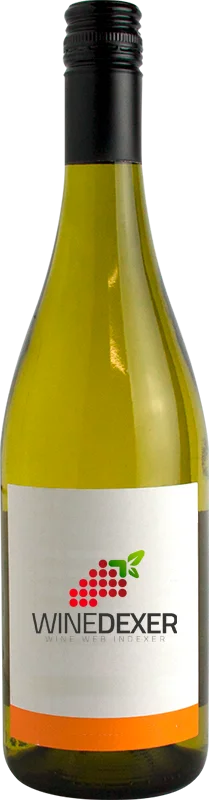
Winery Baronia de TurisBaron Amado Moscatel - Malvasia
 White wine



This wine generally goes well with sweet desserts

Food and wine pairings with Baron Amado Moscatel - Malvasia
Pairings that work perfectly with Baron Amado Moscatel - Malvasia

Original food and wine pairings with Baron Amado Moscatel - Malvasia
The Baron Amado Moscatel - Malvasia of Winery Baronia de Turis matches generally quite well with dishes of sweet desserts such as recipes of tiramisu (original recipe).
Details and technical informations about Winery Baronia de Turis's Baron Amado Moscatel - Malvasia.
Discover the grape variety: Pougnet
Light, simple fruity reds with a lightly coloured clear ruby robe, soft tannins, airy palate and moderate acidity; unassuming aromas of red fruits. Discreet, rustic style. Nearly extinct, preserved in INRAE varietal collections for its heritage value, testifying to the pre-phylloxera ampelographic diversity of the South-West. Rare French black grape, formerly cultivated in the South-West.
Last vintages of this wine
The best vintages of Baron Amado Moscatel - Malvasia from Winery Baronia de Turis are 0
Informations about the Winery Baronia de Turis
The Winery Baronia de Turis is one of of the world's great estates. It offers 66 wines for sale in the of Valence to come and discover on site or to buy online.

The wine region of Valence
Sunny Mediterranean Levant, sun-drenched accessible wines. Monastrell (Mourvèdre) star red in Alicante: fleshy and deep with black fruits, garrigue, leather and spice, firm tannins. Round, fruity Bobal from Utiel-Requena, supple Garnacha, juicy Tempranillo. Fresh whites: light Merseguera, aromatic Moscatel (fresh grape, flowers).
The word of the wine: Vintage (champagne)
It is a champagne made from a single harvest. In principle, we only vintage the great years: 1988, 1990, 1995, 1996... We find more often, now, the very good 2002, and the 2004, a little short.