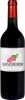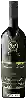
Winery Barone LoprestiSyrah
 Red wine


In the mouth this red wine is a powerful with a lot of tannins present in the mouth.
This wine generally goes well with beef, lamb or pasta.
Taste structure of the Syrah from the Winery Barone Lopresti
Light | Bold | |
Smooth | Tannic | |
Dry | Sweet | |
Soft | Acidic |
In the mouth the Syrah of Winery Barone Lopresti in the region of Sicily is a powerful with a lot of tannins present in the mouth.
Food and wine pairings with Syrah
Pairings that work perfectly with Syrah



Original food and wine pairings with Syrah
The Syrah of Winery Barone Lopresti matches generally quite well with dishes of beef, pasta or lamb such as recipes of chinese fondue, tagliatelle with foie gras or lamb with coconut milk.
Details and technical informations about Winery Barone Lopresti's Syrah.
Discover the grape variety: Gamay à jus blanc
Typical Burgundian grape variety. According to published genetic analyses, it is the result of a natural cross between Pinot and Gouais, which are the same parents of Melon. Gamay is registered in the Official Catalogue of wine grape varieties, list A1.
Last vintages of this wine
The best vintages of Syrah from Winery Barone Lopresti are 2018, 0, 2019
Informations about the Winery Barone Lopresti
The Winery Barone Lopresti is one of of the world's greatest estates. It offers 4 wines for sale in the of Sicily to come and discover on site or to buy online.

The wine region of Sicily
Sicily is the Southernmost region of Italy, and the largest island in the Mediterranean Sea. For over 2500 years, Sicily (Sicilia in Italian) has been an important centre of Mediterranean viticulture, although the reputation and style of its wines have changed considerably over time. The island was once best known for its Sweet muscatels (see Pantelleria), and later for its fortified Marsala. Today, many of its best-known wines are Dry table wines produced under the regional designation IGT Terre Siciliane, or Sicilia DOC (see below).
The word of the wine: Amylic
Aroma reminiscent of banana, candy, and sometimes nail polish, particularly present in primeur wines. The amylic taste is reminiscent of the aromas of industrial confectionery and does not reflect a great expression of terroir.