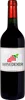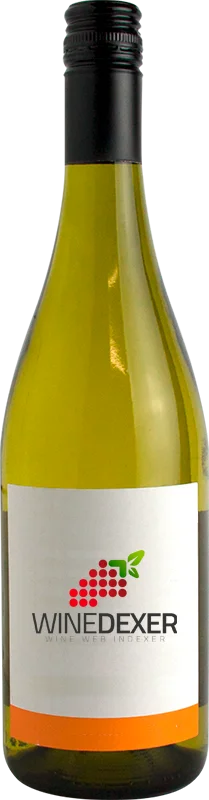
Winery Baron Pilar & CompagnieDynastie de Bonlouis Blanc Moelleux
 Sweet wine


This wine generally goes well with pork, vegetarian or poultry.

Food and wine pairings with Dynastie de Bonlouis Blanc Moelleux
Pairings that work perfectly with Dynastie de Bonlouis Blanc Moelleux



Original food and wine pairings with Dynastie de Bonlouis Blanc Moelleux

The Dynastie de Bonlouis Blanc Moelleux of Winery Baron Pilar & Compagnie matches generally quite well with dishes of pork, rich fish (salmon, tuna etc) or vegetarian such as recipes of quick beef bourguignon, spinach, smoked salmon and ricotta lasagne or spinach and goat cheese quiche.
Details and technical informations about Winery Baron Pilar & Compagnie's Dynastie de Bonlouis Blanc Moelleux.
Discover the grape variety: Chardonnay
Whites with many faces: mineral and taut at Chablis (lemon, green apple, flint), opulent and buttery at Meursault and Puligny-Montrachet (hazelnut, brioche, yellow fruits), tense and chalky in Champagne (Blanc de Blancs). Also vinified sparkling and widely exported (Sonoma, Margaret River, Casablanca). A Burgundian variety, a cross of Pinot Noir × Gouais Blanc, half-sibling of Aligoté.
Informations about the Winery Baron Pilar & Compagnie
The Winery Baron Pilar & Compagnie is one of of the world's great estates. It offers 79 wines for sale in the of Bordeaux to come and discover on site or to buy online.

The wine region of Bordeaux
World-renowned age-worthy reds, led by round Merlot (plum, black fruit) or firm Cabernet Sauvignon (blackcurrant, cedar, graphite), blended with Cabernet Franc and Petit Verdot for tannic structure. Structured Médoc and Graves, velvety Saint-Émilion and Pomerol. Also crisp dry whites (Sauvignon/Sémillon) and opulent sweet Sauternes with honey and candied fruit. A 110,000 ha Gironde vineyard, 65 appellations, cradle of the 1855 classified growths.
The word of the wine: Malolactic fermentation
Called second fermentation or malo for short. It is the degradation (under the effect of bacteria) of the malic acid naturally present in the wine into milder, less aggressive lactic acid. Some producers or wineries refuse this operation by "blocking the malo" (by cold and adding SO2) to keep a maximum of acidity which carries the aromas and accentuates the sensation of freshness.