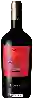
Winery Azienda Agricola CanelloBajosa
 White wine
In the mouth this white wine is a powerful.
This wine generally goes well with lean fish, shellfish or mature and hard cheese.

Taste structure of the Bajosa from the Winery Azienda Agricola Canello
Light | Bold | |
Dry | Sweet | |
Soft | Acidic |
In the mouth the Bajosa of Winery Azienda Agricola Canello in the region of Veneto is a powerful.
Food and wine pairings with Bajosa
Pairings that work perfectly with Bajosa



Original food and wine pairings with Bajosa


The Bajosa of Winery Azienda Agricola Canello matches generally quite well with dishes of pasta, shellfish or mature and hard cheese such as recipes of pasta with ham and tomato, paella josé style or potato and st. nectaire pie.
Details and technical informations about Winery Azienda Agricola Canello's Bajosa.
Discover the grape variety: Negramoll
Light and fruity reds with a clear ruby robe, smooth tannins and a supple palate, with signature aromas of red fruits (cherry, raspberry, strawberry), soft spices and floral notes. Also a pillar of modern Madeira (Tinta Negra Mole) — round and candied with dried fruit notes. A component of Canarian reds and a signature of Atlantic island viticulture. Genetically identical to Tinta Negra Mole of Madeira, native black grape of the Canary Islands and Madeira.
Informations about the Winery Azienda Agricola Canello
The Winery Azienda Agricola Canello is one of of the world's greatest estates. It offers 11 wines for sale in the of Veneto to come and discover on site or to buy online.

The wine region of Veneto
World star of Prosecco: fresh, light Glera sparklers with notes of pear, green apple and white flowers, fruity, convivial bubbles. Veronese reds from Corvina and Rondinella: light, crisp Bardolino, fruity Valpolicella, opulent, concentrated Amarone DOCG (black cherry, chocolate, raisin) from dried grapes. Mineral, almondy Soave (Garganega) whites, fresh Pinot Grigio. 97,500 ha, Italy's largest production.
The word of the wine: Foxé
An animal odor found in certain reduced or old wines, which are also said to fox, in reference to the fox.