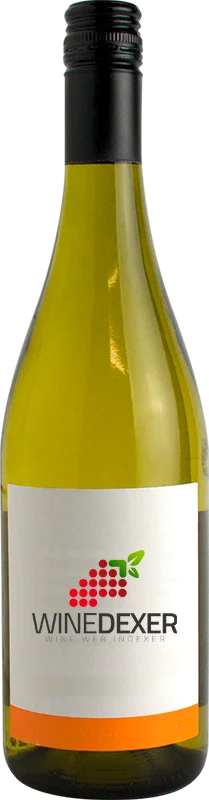
Winery Artisan WinesThe Experimental
 White wine
This wine generally goes well with vegetarian, rich fish (salmon, tuna etc) or shellfish.

Food and wine pairings with The Experimental
Pairings that work perfectly with The Experimental



Original food and wine pairings with The Experimental
The The Experimental of Winery Artisan Wines matches generally quite well with dishes of rich fish (salmon, tuna etc), shellfish or vegetarian such as recipes of marmite dieppoise, scallop mousse or mushroom, bacon and gruyere quiche.
Details and technical informations about Winery Artisan Wines's The Experimental.
Discover the grape variety: Fuëlla nera
Light, elegant reds with a clear ruby colour, fine, silky tannins and an airy palate with fresh acidity, signature aromas of red fruits (cherry, raspberry), spices (pepper), garrigue and Mediterranean notes. Airy profile. Star of the AOC Bellet appellation, a typical expression of the Nice terroir, it defines the viticultural identity of the French Riviera. Indigenous French black variety from the Alpes-Maritimes (Folle Noire), grown almost exclusively at Bellet.
Informations about the Winery Artisan Wines
The Winery Artisan Wines is one of of the world's great estates. It offers 23 wines for sale in the of Neusiedlersee to come and discover on site or to buy online.

The wine region of Neusiedlersee
Austrian home of Zweigelt on the east shore of Lake Neusiedl (Burgenland): signature DAC red (≥85%, 12° min) — fruity and harmonious with notes of morello cherry, black berries, fine herbs and a spicy touch, supple tannins and an elegant finish. Legendary sweet wines (botrytised Trockenbeerenauslese from the Seewinkel) in exceptional honeyed whites. Hot, dry continental Pannonian climate, varied gravelly and sandy soils. ~7,500 ha, Gols the epicentre, Zweigelt >70% of plantings.
The wine region of Weinland
Vast German-speaking region in north-eastern Switzerland, the country's largest production area. Signature Pinot Noir (Blauburgunder): fine, fresh reds with notes of cherry, raspberry, undergrowth and sweet spices, silky tannins. Elegant, delicate style, often barrel-aged. Also light, floral Müller-Thurgau (Riesling-Sylvaner), lively, lemony native Räuschling, ample Pinot Gris.
The word of the wine: Second fermentation
In the making of champagne, fermentation of the base wine to which is added the liqueur de tirage and which takes place in the bottle. This second fermentation produces the carbon dioxide, and therefore the bubbles that make up the effervescence of the wine.