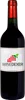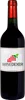
Winery Ariano HermanosCuatro Gatos
 Red wine


This wine is a blend of 2 varietals which are the Cabernet-Sauvignon and the Tannat.
This wine generally goes well with poultry, beef or lamb.
The Cuatro Gatos of the Winery Ariano Hermanos is in the top 50 of wines of Canelones.




Food and wine pairings with Cuatro Gatos
Pairings that work perfectly with Cuatro Gatos



Original food and wine pairings with Cuatro Gatos

The Cuatro Gatos of Winery Ariano Hermanos matches generally quite well with dishes of beef, lamb or spicy food such as recipes of marinated shrimp skewers with garlic, marinated shoulder of lamb or chicken on a bed of summer vegetables.
Details and technical informations about Winery Ariano Hermanos's Cuatro Gatos.
Discover the grape variety: Cabernet-Sauvignon
Structured, tannic reds, deeply coloured, with aromas of blackcurrant, blackberry, cedar, tobacco and graphite, underpinned by firm acidity and fine ageing potential. Cornerstone of the great Médoc estates (Pauillac, Saint-Estèphe, Saint-Julien) and signature of Napa Valley, Coonawarra and Maipo. The world's most planted red variety, a natural cross of Cabernet Franc x Sauvignon Blanc born in Bordeaux.
Last vintages of this wine
The best vintages of Cuatro Gatos from Winery Ariano Hermanos are 2011, 2013, 0, 2015
Informations about the Winery Ariano Hermanos
The Winery Ariano Hermanos is one of of the world's greatest estates. It offers 41 wines for sale in the of Canelones to come and discover on site or to buy online.

The wine region of Canelones
Uruguay's main region north of Montevideo (~90% of national output). National star Tannat: powerful, structured reds with signature notes of blackberry, black plum, violet, leather, tobacco and spice, firm tannins and notable ageing potential — more Tannat planted here than in Madiran, its birthplace. Also round Merlot, peppery Cabernet Franc, spicy Syrah. Fresh saline Albarino whites.
The word of the wine: Astringency
Chemical stimulation that tightens the mucous membranes of the mouth and causes a sensation of harshness, which is characteristic of the presence of tannins. With time, the tannins lose their harshness and become softer.