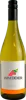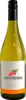
Winery Santa LauraSauvignon Blanc
 White wine


This wine generally goes well with vegetarian, rich fish (salmon, tuna etc) or shellfish.
Food and wine pairings with Sauvignon Blanc
Pairings that work perfectly with Sauvignon Blanc



Original food and wine pairings with Sauvignon Blanc
The Sauvignon Blanc of Winery Santa Laura matches generally quite well with dishes of rich fish (salmon, tuna etc), shellfish or vegetarian such as recipes of fish stew, brochette of scallops and prawns or summer tuna quiche.
Details and technical informations about Winery Santa Laura's Sauvignon Blanc.
Discover the grape variety: Claverie
Claverie blanc is a grape variety that originated in France (South-West). It produces a variety of grape specially used for wine making. It is rare to find this grape to eat on our tables. This variety of grape is characterized by large bunches and large grapes. Claverie blanc can be found cultivated in these vineyards: South West, Cognac, Bordeaux, Provence & Corsica, Rhone Valley, Armagnac.
Last vintages of this wine
The best vintages of Sauvignon Blanc from Winery Santa Laura are 2020, 0
Informations about the Winery Santa Laura
The Winery Santa Laura is one of of the world's greatest estates. It offers 9 wines for sale in the of Canelones to come and discover on site or to buy online.

The wine region of Canelones
The Canelones administrative department, Northeast of the Uruguayan capital of Montevideo, is home to the majority of Uruguay's Vineyards and accounts for aRound 60 percent of all wine produced in the country. It Lies in the South of the small South American country, where the majority of vines are planted, inland from the Atlantic coast and the Rio de la Plata estuary. The region itself covers a broad arc approximately 50km (30 miles) Deep, drawn clockwise from the northwestern outskirts of Montevideo round to the coastline east of the capital city. The eponymous administrative capital of the region lies 50km (31 miles) to the north of Montevideo.
The word of the wine: Performance
Quantity of grapes harvested per hectare. In AOC, the average yield is limited on the proposal of the appellation syndicate, validated by the Inao. The use of high-performance plant material (especially clones) and better control of vine diseases have increased yields. This is not without consequences on the quality of the wines (dilution) and on the state of the market (too much wine). We must not over-simplify: low yields are not synonymous with quality, and it is often in years with generous harvests that we find the greatest vintages (1982 and 1986 in Bordeaux, 1996 in Champagne, 1990 and 2005 in Burgundy...).