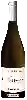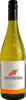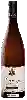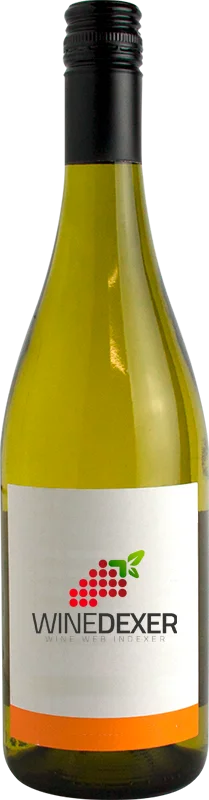
Winery Antoine de la FargeL'Éclipse Sauvignon Blanc
 White wine



This wine generally goes well with vegetarian, rich fish (salmon, tuna etc) or shellfish.

Food and wine pairings with L'Éclipse Sauvignon Blanc
Pairings that work perfectly with L'Éclipse Sauvignon Blanc



Original food and wine pairings with L'Éclipse Sauvignon Blanc
The L'Éclipse Sauvignon Blanc of Winery Antoine de la Farge matches generally quite well with dishes of rich fish (salmon, tuna etc), shellfish or vegetarian such as recipes of sublime salmon (stuffed salmon), valencian paella or goat cheese and bacon quiche.
Details and technical informations about Winery Antoine de la Farge's L'Éclipse Sauvignon Blanc.
Discover the grape variety: Calitor
Light, airy reds with a pale, lightly coloured ruby robe, supple tannins and a light palate with moderate acidity, featuring discreet aromas of red fruits and Provençal garrigue notes. Low alcohol. Late-ripening (35 days after Chasselas). Historically recommended in the Vaucluse and the Var, now nearly extinct and preserved in a few Provençal heritage plots. Autochthonous Provençal black variety, once widespread in south-eastern France.
Last vintages of this wine
The best vintages of L'Éclipse Sauvignon Blanc from Winery Antoine de la Farge are 2019, 2016
Informations about the Winery Antoine de la Farge
The Winery Antoine de la Farge is one of of the world's greatest estates. It offers 36 wines for sale in the of Loire Valley to come and discover on site or to buy online.

The wine region of Loire Valley
Kingdom of lively, dry whites and fine sparklers. Mineral, taut Sauvignon Blanc (Sancerre, Pouilly-Fumé) with citrus and gunflint notes. Multiform Chenin Blanc (Vouvray, Savennières, Layon): straight dry, floral off-dry or noble sweet honey-quince. Saline, iodised Muscadet (Melon B.
The word of the wine: Full
A full, complete and harmonious wine, offering a great wealth of flavours.