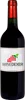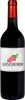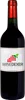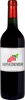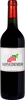
Winery Anna SpinatoRosé Organic
 Sparkling wine



This wine is a blend of 3 varietals which are the Cabernet-Sauvignon, the Pinot noir and the Raboso Piave.
This wine generally goes well with pork, poultry or beef.
Food and wine pairings with Rosé Organic
Pairings that work perfectly with Rosé Organic



Original food and wine pairings with Rosé Organic



The Rosé Organic of Winery Anna Spinato matches generally quite well with dishes of beef, lamb or veal such as recipes of beef pot-au-feu, lamb colombo or deer stew.
Details and technical informations about Winery Anna Spinato's Rosé Organic.
Discover the grape variety: Cabernet-Sauvignon
Cabernet-Sauvignon noir is a grape variety that originated in France (Bordeaux). It produces a variety of grape specially used for wine making. It is rare to find this grape to eat on our tables. This variety of grape is characterized by small bunches, and small grapes. Cabernet-Sauvignon noir can be found in many vineyards: South-West, Loire Valley, Languedoc & Roussillon, Cognac, Bordeaux, Armagnac, Rhone Valley, Provence & Corsica, Savoie & Bugey, Beaujolais.
Last vintages of this wine
The best vintages of Rosé Organic from Winery Anna Spinato are 2008, 0
Informations about the Winery Anna Spinato
The Winery Anna Spinato is one of of the world's great estates. It offers 42 wines for sale in the of Veneto to come and discover on site or to buy online.

The wine region of Veneto
Veneto is an important and growing wine region in northeastern Italy. Veneto is administratively Part of the Triveneto area, aLong with its smaller neighbors, Trentino-Alto Adige and Friuli-Venezia Giulia. In terms of geography, culture and wine styles, it represents a transition from the Alpine and Germanic-Slavic end of Italy to the warmer, drier, more Roman lands to the South. Veneto is slightly smaller than the other major Italian wine regions - Piedmont, Tuscany, Lombardy, Puglia and Sicily - but it produces more wine than any of them.
The word of the wine: Thinning
Also known as green harvesting, the practice of removing excess bunches of grapes from certain vines, usually in July, but sometimes later. This is often necessary, but not always a good thing, as the remaining bunches often gain weight.