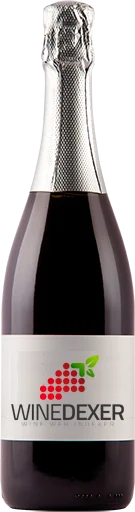
Winery AnghebenBrut
 Sparkling wine



In the mouth this sparkling wine is a powerful with a nice vivacity and a fine and pleasant bubble.
This wine generally goes well with pork, rich fish (salmon, tuna etc) or shellfish.

Taste structure of the Brut from the Winery Angheben
Light | Bold | |
Soft | Acidic | |
Gentle | Fizzy |
In the mouth the Brut of Winery Angheben in the region of Rio Grande do Sul is a powerful with a nice vivacity and a fine and pleasant bubble.
Wine flavors and olphactive analysis


On the nose the Brut of Winery Angheben in the region of Rio Grande do Sul often reveals types of flavors of microbio, oak or tree fruit and sometimes also flavors of citrus fruit, tropical fruit.
Food and wine pairings with Brut
Pairings that work perfectly with Brut



Original food and wine pairings with Brut
The Brut of Winery Angheben matches generally quite well with dishes of pork, rich fish (salmon, tuna etc) or shellfish such as recipes of potato and bacon omelette, pasta with tuna and tomato or shrimp with garlic and orange.
Details and technical informations about Winery Angheben's Brut.
Discover the grape variety: Petite Arvine
Structured, aromatic dry and sweet whites with a pale golden color, ample palate and preserved acidity, with signature aromas of citrus (grapefruit), rhubarb, white flowers (wisteria), exotic fruits (passion fruit) and characteristic saline notes on the finish. Fine cellaring potential, dry and late-harvest styles. Star of great Valais whites (Vétroz, Sion, Fully, Chamoson). Swiss indigenous variety from the Valais.
Last vintages of this wine
The best vintages of Brut from Winery Angheben are 2015, 2017, 2010, 2008 and 0.
Informations about the Winery Angheben
The Winery Angheben is one of of the world's greatest estates. It offers 10 wines for sale in the of Rio Grande do Sul to come and discover on site or to buy online.

The wine region of Rio Grande do Sul
Brazil's winemaking heart (~80% of production), Italian tradition. Recognised specialty: traditional-method sparkling wines (espumantes), fresh and fruity, based on Chardonnay and Pinot Noir, among South America's finest. Accessible reds: supple, fruity Merlot (plum, cherry), fleshy Cabernet Sauvignon, dense, tannic Tannat. Round Chardonnay, light Riesling Italico, sweet, floral Moscato whites.
The word of the wine: Plant
Smells present in certain wines and characteristic of the plant world. Heather, mint or blackcurrant leaf are considered pleasant, while herbaceous notes are considered a defect.


