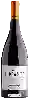
Winery Alma CersiusComte de Chazotte Cabernet Sauvignon
 Red wine
This wine generally goes well with beef, veal or pasta.

Food and wine pairings with Comte de Chazotte Cabernet Sauvignon
Pairings that work perfectly with Comte de Chazotte Cabernet Sauvignon



Original food and wine pairings with Comte de Chazotte Cabernet Sauvignon
The Comte de Chazotte Cabernet Sauvignon of Winery Alma Cersius matches generally quite well with dishes of beef, pasta or veal such as recipes of braciola (southern italy), macaroni and cheese or osso buco.
Details and technical informations about Winery Alma Cersius's Comte de Chazotte Cabernet Sauvignon.
Discover the grape variety: Cabernet-Sauvignon
Structured, tannic reds, deeply coloured, with aromas of blackcurrant, blackberry, cedar, tobacco and graphite, underpinned by firm acidity and fine ageing potential. Cornerstone of the great Médoc estates (Pauillac, Saint-Estèphe, Saint-Julien) and signature of Napa Valley, Coonawarra and Maipo. The world's most planted red variety, a natural cross of Cabernet Franc x Sauvignon Blanc born in Bordeaux.
Informations about the Winery Alma Cersius
The Winery Alma Cersius is one of of the world's great estates. It offers 147 wines for sale in the of Languedoc-Roussillon to come and discover on site or to buy online.

The wine region of Languedoc-Roussillon
Largest single French vineyard, dominated by sunny, generous reds. Spicy Syrah, candied Grenache (ripe fruit, garrigue), structured Carignan, deep Mourvèdre, supple Cinsault. Stars: structured Corbières, Minervois, Faugères, Saint-Chinian; round Côtes-du-Roussillon. Legendary vins doux naturels: Banyuls and Maury (fortified Grenache) with notes of cocoa, fig, prune.
The word of the wine: Acescence
An alteration in wine also known as pitting (hence the expression piqué wine), due to the presence of acetic acid and ethyl acetate, and characterized by a vinegar-like odor.