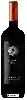
Winery Albert HeijnBiologische Soepel van Smaak Merlot
 Red wine



In the mouth this red wine is a powerful.
This wine generally goes well with beef, veal or lamb.
Taste structure of the Biologische Soepel van Smaak Merlot from the Winery Albert Heijn
Light | Bold | |
Smooth | Tannic | |
Dry | Sweet | |
Soft | Acidic |
In the mouth the Biologische Soepel van Smaak Merlot of Winery Albert Heijn in the region of Central Valley is a powerful.
Food and wine pairings with Biologische Soepel van Smaak Merlot
Pairings that work perfectly with Biologische Soepel van Smaak Merlot



Original food and wine pairings with Biologische Soepel van Smaak Merlot
The Biologische Soepel van Smaak Merlot of Winery Albert Heijn matches generally quite well with dishes of beef, lamb or veal such as recipes of beef with balsamic sauce, shoulder of lamb with a spoon or veal shank with mushrooms.
Details and technical informations about Winery Albert Heijn's Biologische Soepel van Smaak Merlot.
Discover the grape variety: Cacaboué
Previous
Last vintages of this wine
The best vintages of Biologische Soepel van Smaak Merlot from Winery Albert Heijn are 2014
Informations about the Winery Albert Heijn
The Winery Albert Heijn is one of wineries to follow in Central Valley.. It offers 156 wines for sale in the of Central Valley to come and discover on site or to buy online.

The wine region of Central Valley
The Central Valley (El Valle Central) of Chile is one of the most important wine-producing areas in South America in terms of Volume. It is also one of the largest wine regions, stretching from the Maipo Valley (just south of Santiago) to the southern end of the Maule Valley. This is a distance of almost 250 miles (400km) and covers a number of Climate types. The Central Valley wine region is easily (and often) confused with the geological Central Valley, which runs north–south for more than 620 miles (1000km) between the Pacific Coastal Ranges and the lower Andes.
The word of the wine: Grape variety
A type of vine plant and, by extension, the term used to designate the grapes that come from it. The term "table grape" is used to designate the grapes used for consumption, whereas the term "grape variety" is used to designate the wine grapes used to make wine.