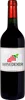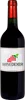
Winery Agricola ImpoggioBonarda
 Red wine
In the mouth this red wine is a powerful.
This wine generally goes well with beef, game (deer, venison) or lamb.

Taste structure of the Bonarda from the Winery Agricola Impoggio
Light | Bold | |
Smooth | Tannic | |
Dry | Sweet | |
Soft | Acidic |
In the mouth the Bonarda of Winery Agricola Impoggio in the region of Lombardia is a powerful.
Food and wine pairings with Bonarda
Pairings that work perfectly with Bonarda



Original food and wine pairings with Bonarda

The Bonarda of Winery Agricola Impoggio matches generally quite well with dishes of beef, pasta or lamb such as recipes of chinese noodles with beef, pasta bolognese or daniel's algerian couscous.
Details and technical informations about Winery Agricola Impoggio's Bonarda.
Discover the grape variety: Catawba
Aromatic and sweet whites and rosés, with a supple mouthfeel and preserved acidity, with intense aromas of fresh grape, strawberry, raspberry, flowers and the characteristic foxy note (the typical musky animal character of labrusca). Often vinified as medium-sweet, sparkling demi-sec and grape juice. Historic star of Ohio (Lake Erie), New York (Finger Lakes), Missouri and Ontario vineyards. A Vitis labrusca hybrid discovered around 1820 in North Carolina, one of the oldest American varieties.
Informations about the Winery Agricola Impoggio
The Winery Agricola Impoggio is one of of the world's greatest estates. It offers 1 wines for sale in the of Lombardia to come and discover on site or to buy online.

The wine region of Lombardia
Three poles. Franciacorta DOCG, Italy's answer to Champagne: elegant brioche traditional-method sparklers (Chardonnay, Pinot Noir, Pinot Blanc), fine bubble and mineral profile. Alpine Valtellina: Nebbiolo (alias Chiavennasca) with fine tannins and red fruits, powerful Sforzato passito. Oltrepò Pavese: fresh Pinot Noir and fruity-sparkling Bonarda.
The word of the wine: Chaptalization
The addition of sugar at the time of fermentation of the must, an ancient practice, but theorized by Jean-Antoine Chaptal at the dawn of the 19th century. The sugar is transformed into alcohol and allows the natural degree of the wine to be raised in a weak or cold year, or - more questionably - when the winegrower has a harvest that is too large to obtain good maturity.