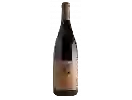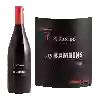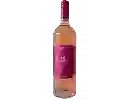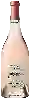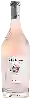
Winery Abbaye de ValmagneNicolaÿ Rosé
 Pink wine


In the mouth this pink wine is a with a nice freshness.
This wine generally goes well with vegetarian, appetizers and snacks or lean fish.
Taste structure of the Nicolaÿ Rosé from the Winery Abbaye de Valmagne
Light | Bold | |
Dry | Sweet | |
Soft | Acidic |
In the mouth the Nicolaÿ Rosé of Winery Abbaye de Valmagne in the region of Languedoc-Roussillon is a with a nice freshness.
Food and wine pairings with Nicolaÿ Rosé
Pairings that work perfectly with Nicolaÿ Rosé



Original food and wine pairings with Nicolaÿ Rosé


The Nicolaÿ Rosé of Winery Abbaye de Valmagne matches generally quite well with dishes of pasta, vegetarian or appetizers and snacks such as recipes of lasagne with two salmons, quiche lorraine or sweet potato chips.
Details and technical informations about Winery Abbaye de Valmagne's Nicolaÿ Rosé.
Discover the grape variety: Aledo
This variety has been cultivated for a long time in Spain. In France, it is practically unknown, although it is registered in the Official Catalogue of vine varieties, list A2.
Informations about the Winery Abbaye de Valmagne
The Winery Abbaye de Valmagne is one of of the world's great estates. It offers 18 wines for sale in the of Languedoc to come and discover on site or to buy online.

The wine region of Languedoc
Languedoc (formerly Coteaux du Languedoc) is a key appellation used in the Languedoc-Roussillon wine region of southern France. It covers Dry table wines of all three colors (red, white and rosé) from the entire region, but leaves Sweet and Sparkling wines to other more specialized appellations. About 75% of all Languedoc wines are red, with the remaining 25% split roughly down the middle between whites and rosés. The appellation covers most of the Languedoc region and almost a third of all the vineyards in France.
The wine region of Languedoc-Roussillon
Languedoc (formerly Coteaux du Languedoc) is a key appellation used in the Languedoc-Roussillon wine region of southern France. It covers Dry table wines of all three colors (red, white and rosé) from the entire region, but leaves Sweet and Sparkling wines to other more specialized appellations. About 75% of all Languedoc wines are red, with the remaining 25% split roughly down the middle between whites and rosés. The appellation covers most of the Languedoc region and almost a third of all the vineyards in France.
The word of the wine: Dress
Visual aspect of the wine. The colour is defined by its intensity, clarity, brilliance and colour, which indicate the level of evolution of the wine, thus giving an indication of its vintage.