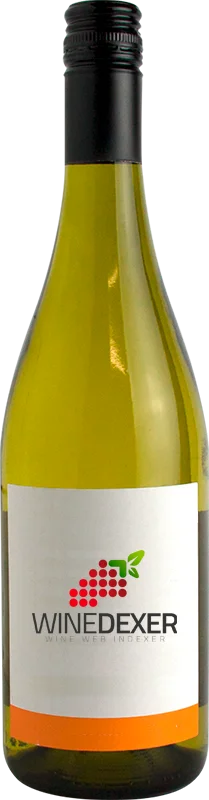
Winery Zum SternenEichenrain Gewürztraminer
 White wine


This wine generally goes well with poultry, rich fish (salmon, tuna etc) or mild and soft cheese.

Food and wine pairings with Eichenrain Gewürztraminer
Pairings that work perfectly with Eichenrain Gewürztraminer



Original food and wine pairings with Eichenrain Gewürztraminer


The Eichenrain Gewürztraminer of Winery Zum Sternen matches generally quite well with dishes of rich fish (salmon, tuna etc), spicy food or sweet desserts such as recipes of gratin dauphinois with smoked salmon, lamb tagine with prunes or very simple muffins.
Details and technical informations about Winery Zum Sternen's Eichenrain Gewürztraminer.
Discover the grape variety: Gewurztraminer
Full-bodied, exotic whites, rich and heady, with moderate acidity, showing opulent aromas of lychee, rose, mango, ginger, pink grapefruit and gentle spice. Made as aromatic dry, moelleux late-harvest and liquorous sélection de grains nobles. Star of Alsace AOC (one of the four noble varieties) and signature of Alto Adige (Tramin), Palatinate and Germany. A pink mutation of Traminer.
Last vintages of this wine
The best vintages of Eichenrain Gewürztraminer from Winery Zum Sternen are 0
Informations about the Winery Zum Sternen
The Winery Zum Sternen is one of of the world's great estates. It offers 33 wines for sale in the of Aargau to come and discover on site or to buy online.

The wine region of Aargau
Northern German-speaking Swiss wine canton, 380 ha on Jurassic limestone soils. Signature Pinot Noir (Blauburgunder) in Burgundian style: fine, silky reds with signature notes of cherry, raspberry, undergrowth, sweet spices and salty minerality, delicate tannins and taut freshness. Muller-Thurgau second as a lively, fruity white (apple, white flowers, light muscat). Also broad Chardonnay, fragrant Grauburgunder, opulent Gewurztraminer, red Regent.
The word of the wine: Sorting
Action which consists in removing the bad grains, not ripe or affected by the rot. We often use vibrating sorting tables which, by shaking, make the impurities fall to the ground. In the case of sweet wines, we speak of harvesting by successive selections, in several passages, to select the very ripe grapes each time.