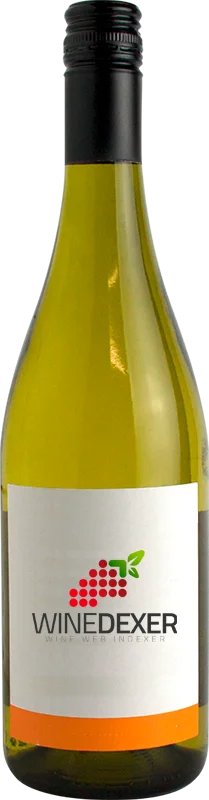
Winery ZD NěmčičkyVeltlínské Zelené Moravské Zemské
 White wine


This wine generally goes well with pork, vegetarian or lean fish.

Food and wine pairings with Veltlínské Zelené Moravské Zemské
Pairings that work perfectly with Veltlínské Zelené Moravské Zemské



Original food and wine pairings with Veltlínské Zelené Moravské Zemské



The Veltlínské Zelené Moravské Zemské of Winery ZD Němčičky matches generally quite well with dishes of pork, rich fish (salmon, tuna etc) or shellfish such as recipes of gloom and doom, papillotes of simple salmon steaks or squid rings with tomato.
Details and technical informations about Winery ZD Němčičky's Veltlínské Zelené Moravské Zemské.
Discover the grape variety: Roscetto
Structured and aromatic dry whites with a pale golden robe and copper highlights, an ample palate with preserved acidity, showing signature aromas of citrus, white flowers, yellow fruits (pear) and volcanic mineral notes. Also in orange wines with tannins and dried fruits. Preserved for its heritage value in Lazio around Civitella d'Agliano, featured in local artisan blends. Native white Italian grape from Lazio, studied for its genetic interest.
Last vintages of this wine
The best vintages of Veltlínské Zelené Moravské Zemské from Winery ZD Němčičky are 0
Informations about the Winery ZD Němčičky
The Winery ZD Němčičky is one of of the world's great estates. It offers 24 wines for sale in the of Morava to come and discover on site or to buy online.

The wine region of Morava
Predominantly white region, lively and mineral: crisp, peppery Grüner Veltliner, taut Riesling with citrus, supple, floral Müller-Thurgau, aromatic Pálava, the local signature (muscat, white flowers). More discreet reds: spicy Frankovka (Blaufränkisch) with black fruits, fine, silky Saint Laurent. Temperate continental climate, 4 sub-regions: Mikulov, Velké Pavlovice, Znojmo, Slovácko. ~96% of the Czech vineyard, 73 grapes grown.
The word of the wine: Malolactic fermentation
Called second fermentation or malo for short. It is the degradation (under the effect of bacteria) of the malic acid naturally present in the wine into milder, less aggressive lactic acid. Some producers or wineries refuse this operation by "blocking the malo" (by cold and adding SO2) to keep a maximum of acidity which carries the aromas and accentuates the sensation of freshness.