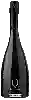
Winery Vigneti ZanattaCuvée Moscato Spumante Extra Dry
 Sparkling wine



This wine generally goes well with sweet desserts

Food and wine pairings with Cuvée Moscato Spumante Extra Dry
Pairings that work perfectly with Cuvée Moscato Spumante Extra Dry

Original food and wine pairings with Cuvée Moscato Spumante Extra Dry
The Cuvée Moscato Spumante Extra Dry of Winery Vigneti Zanatta matches generally quite well with dishes of sweet desserts such as recipes of chocolate mug cake.
Details and technical informations about Winery Vigneti Zanatta's Cuvée Moscato Spumante Extra Dry.
Discover the grape variety: Avana
Light, fruity reds with a clear ruby robe, smooth tannins and a supple, fresh palate, showing signature aromas of red fruits (strawberry, raspberry, cherry), flowers and delicate Alpine spices. An airy, drink-young profile. Almost extinct, preserved on a few heritage plots in the Pinerolese, west of Turin, in high-altitude Alpine vineyards. An indigenous Italian variety from Piedmont, a witness to the ancient varieties of the Piedmontese valleys.
Last vintages of this wine
The best vintages of Cuvée Moscato Spumante Extra Dry from Winery Vigneti Zanatta are 0
Informations about the Winery Vigneti Zanatta
The Winery Vigneti Zanatta is one of of the world's greatest estates. It offers 15 wines for sale in the of Sardinia to come and discover on site or to buy online.

The wine region of Sardinia
Italian Mediterranean wine island with 250+ varieties, strong native identity. Signature Cannonau (Grenache) in red: warm and deep with signature ripe cherry, garrigue, myrtle, spice and a balsamic touch, round tannins and a sun-drenched palate. Vermentino di Gallura DOCG star white (80% of Italian Vermentino): fresh and saline (citrus, pear, almond, sea iodine). Also dense Carignan, supple Monica, lively Nuragus, rare oxidative Vernaccia di Oristano.
The word of the wine: Rootstock
American vine on which a French vine is grafted. This is the consequence of the phylloxera that destroyed the vineyard at the end of the 19th century: after much trial and error, it was discovered that the "pest" spared the roots of the American vines, and the technique became widespread.