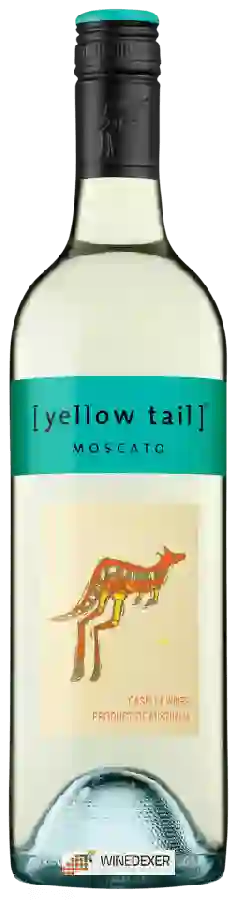
Winery Yellow TailMoscato
 White wine


This wine generally goes well with sweet desserts
The Moscato of the Winery Yellow Tail is in the top 10 of wines of Australie du Sud-Est.

Wine flavors and olphactive analysis






On the nose the Moscato of Winery Yellow Tail in the region of Australie du Sud-Est often reveals types of flavors of non oak, earth or microbio and sometimes also flavors of vegetal, oak or tree fruit.
Food and wine pairings with Moscato
Pairings that work perfectly with Moscato

Original food and wine pairings with Moscato
The Moscato of Winery Yellow Tail matches generally quite well with dishes of sweet desserts such as recipes of apple cake.
Details and technical informations about Winery Yellow Tail's Moscato.
Discover the grape variety: Melon blanc et rouge
Simple, fresh dry whites with a pale golden robe, a supple palate with moderate acidity, and undemonstrative aromas of citrus and white flowers. A discreet rustic profile. Almost absent from commercial cultivation, preserved in INRAE variety collections, it testifies to the pre-phylloxera ampelographic diversity of central and northern France. A rare indigenous French white grape, once grown in central and northern France.
Last vintages of this wine

The best vintages of Moscato from Winery Yellow Tail are 2007, 2018, 2017, 2016 and 2019.
Informations about the Winery Yellow Tail
The Winery Yellow Tail is one of of the world's greatest estates. It offers 60 wines for sale in the of Australie du Sud-Est to come and discover on site or to buy online.

The wine region of Australie du Sud-Est
Macro blending zone covering the southern half of the country (NSW, Victoria, Tasmania, parts of SA and QLD). Accessible, vintage-consistent brand wines: supple fruity Shiraz (blackberry, sweet spice), round Cabernet Sauvignon, gourmet Merlot, opulent Chardonnay (yellow fruit, vanilla), lively Sauvignon Blanc, lemony Sémillon. Status created for export and major international brands. From aperitif to everyday, an affordable, fruity expression of the Australian style.
The word of the wine: Assemblage (Champagne)
In Champagne, it is the art of blending still wines from different grape varieties (pinot meunier, pinot noir, chardonnay), from different terroirs (villages, areas) and often from different years. The incorporation of older wines, called reserve wines, allows for greater aromatic complexity.


