Winery World TableLambrusco
 Sparkling wine



This wine generally goes well with pork, poultry or rich fish (salmon, tuna etc).
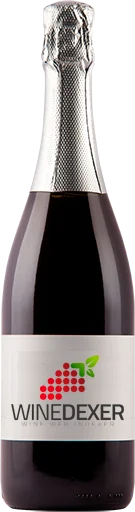
The Lambrusco of the Winery World Table is in the top 20 of wines of Emilia-Romagna.

Food and wine pairings with Lambrusco
Pairings that work perfectly with Lambrusco



Original food and wine pairings with Lambrusco


The Lambrusco of Winery World Table matches generally quite well with dishes of pork, rich fish (salmon, tuna etc) or mature and hard cheese such as recipes of turkey stuffed with chestnuts, wild salmon with verbena steam or comté cheese and cream soufflé.
Details and technical informations about Winery World Table's Lambrusco.
Discover the grape variety: Cerceal Branco
Lively and structured dry whites with a pale golden colour, slender palate and very marked razor-sharp acidity, with signature aromas of citrus (lemon), green apple, white flowers and mineral notes. An airy and taut profile. A component of Bairrada sparkling wines (base for effervescents) and present in Dão DOC. Known as Sercial in Madeira, where it signs the great dry Madeiras. An indigenous Portuguese white variety from Bairrada and Dão.
Last vintages of this wine
The best vintages of Lambrusco from Winery World Table are 2013, 2017, 2008, 2014 and 0.
Informations about the Winery World Table
The Winery World Table is one of of the world's greatest estates. It offers 10 wines for sale in the of Emilia-Romagna to come and discover on site or to buy online.

The wine region of Emilia-Romagna
Kingdom of Lambrusco: fresh, fruity sparkling reds (blackberry, cherry, violet), from gourmet dry to convivial off-dry, perfect with local charcuterie. World's best-selling sparkling wine on the Emilia side (Sorbara, Grasparossa, Salamino). East, Romagna: supple fruity Sangiovese, Albana (Italy's 1st white DOCG, 1987) ample and almondy. Also red Gutturnio and white Pignoletto.
The word of the wine: Imperial
Bottle with a capacity of 6 liters (synonym of mathusalem).