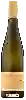
Winery Winzerhof-ScheitIn Ölbergen
 White wine
This wine generally goes well with pork, vegetarian or lean fish.

Food and wine pairings with In Ölbergen
Pairings that work perfectly with In Ölbergen



Original food and wine pairings with In Ölbergen



The In Ölbergen of Winery Winzerhof-Scheit matches generally quite well with dishes of pork, rich fish (salmon, tuna etc) or shellfish such as recipes of pasta carbonara, tuna provencal style or mussels with cream supers.
Details and technical informations about Winery Winzerhof-Scheit's In Ölbergen.
Discover the grape variety: Peurion
Simple and barely aromatic whites with a pale golden colour, an airy palate with moderate acidity, and discreet signature aromas of white fruits and light floral notes. Confidential heritage profile. Almost extinct today, preserved in a few INRAE ampelographic collections; among the ancient varieties studied for their heritage and genetic interest. Rare French white variety, formerly grown in the South-West and the Rhône Valley.
Informations about the Winery Winzerhof-Scheit
The Winery Winzerhof-Scheit is one of of the world's greatest estates. It offers 5 wines for sale in the of Weinviertel to come and discover on site or to buy online.

The wine region of Weinviertel
Largest Austrian region (>50% of national Grüner Veltliner): signature white king as dry, light DAC with notes of citrus (lemon, grapefruit), green apple, stone fruits and the peppery "Pfefferl" signature (rotundone), lively acidity and a spicy finish — a straight aperitif. Lively Riesling, Welschriesling and Pinot Blanc to complete it. A few fruity Zweigelt reds. Vast Lower Austria plateau north of Vienna, continental climate, loess and limestone.
The wine region of Weinland
Vast German-speaking region in north-eastern Switzerland, the country's largest production area. Signature Pinot Noir (Blauburgunder): fine, fresh reds with notes of cherry, raspberry, undergrowth and sweet spices, silky tannins. Elegant, delicate style, often barrel-aged. Also light, floral Müller-Thurgau (Riesling-Sylvaner), lively, lemony native Räuschling, ample Pinot Gris.
The word of the wine: Effervescent
Any wine loaded with CO2 (carbon dioxide), which is revealed in the form of bubbles, reinforcing the freshness effect in the mouth. This gas production is the result of what is called the second fermentation in the bottle. It occurs in champagnes and sparkling wines such as crémants.