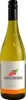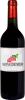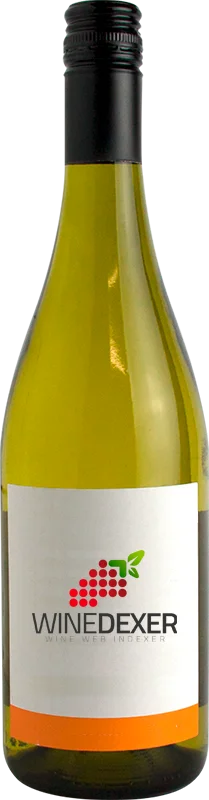
Winery Winnica Sw. JakubaCampana Petrus
 White wine
This wine is a blend of 2 varietals which are the Cabernet-Cortis and the Zweigelt.
This wine generally goes well with blue cheese, pork or lamb.
The Campana Petrus of the Winery Winnica Sw. Jakuba is in the top 50 of wines of Poland and in the top 30 of wines of Sandomierskie.

Food and wine pairings with Campana Petrus
Pairings that work perfectly with Campana Petrus



Original food and wine pairings with Campana Petrus

The Campana Petrus of Winery Winnica Sw. Jakuba matches generally quite well with dishes of lamb, pork or mature and hard cheese such as recipes of greek-style shepherd's pie, pork chops with mustard or lasagne with vegetables and savoy tomatoes.
Details and technical informations about Winery Winnica Sw. Jakuba's Campana Petrus.
Discover the grape variety: Cabernet-Cortis
Coloured, structured reds with a deep ruby robe, firm tannins and fresh acidity, showing aromas of blackcurrant, blackberry, pepper, spices, herbs and balsamic notes evoking cabernet sauvignon. Disease-resistant interspecific variety (mildew and powdery mildew), driving force of organic vineyards in northern Europe: Germany, Switzerland, northern Italy, Belgium, Netherlands and UK. German hybrid created in 1982 in Freiburg (cabernet sauvignon × resistant variety solaris).
Informations about the Winery Winnica Sw. Jakuba
The Winery Winnica Sw. Jakuba is one of of the world's greatest estates. It offers 10 wines for sale in the of Sandomierskie to come and discover on site or to buy online.

The wine region of Sandomierskie
Polish region of the south-east around Sandomierz (Vistula valley), among the warmest in the country. Reviving vineyards on a few dozen estates. Seyval Blanc and Solaris the white hybrid signatures: fresh and aromatic with citrus, green apple, white flowers and mineral touch, lively acidity. Bianca and Hibernal as complements.
The word of the wine: Muscat blanc à petits grains
A white grape variety cultivated since antiquity on the shores of the Mediterranean, it is considered the noblest of the muscats. It is mainly used to make sweet wines, often from mutage. In France, it is the sole variety used in many natural sweet wines: muscat-de-frontignan, muscat-de-mireval, muscat-de-lunel, muscat-de-saint-jean-de-minervois, muscat-de-beaumes-de-venise, muscat-du-cap-corse. Combined with Muscat d'Alexandrie, it gives Muscat-de-Rivesaltes. It is also used to make sparkling white wines (clairette-de-die; moscato d'asti and asti spumante in Italy) and dry wines (alsace-muscat). Powerfully aromatic and complex, its wines evoke fresh grapes, roses, exotic fruits, citrus fruits and spices.