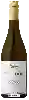
Winery Wild DogCabernet Franc
 Red wine


This wine generally goes well with pork, poultry or beef.

Wine flavors and olphactive analysis

On the nose the Cabernet Franc of Winery Wild Dog in the region of Victoria often reveals types of flavors of red fruit.
Food and wine pairings with Cabernet Franc
Pairings that work perfectly with Cabernet Franc



Original food and wine pairings with Cabernet Franc


The Cabernet Franc of Winery Wild Dog matches generally quite well with dishes of beef, pork or game (deer, venison) such as recipes of baeckeoffe, country cabbage or potjevlesch (northern france).
Details and technical informations about Winery Wild Dog's Cabernet Franc.
Discover the grape variety: Cabernet franc
Supple, fragrant reds with fine tannins and vibrant freshness, showing raspberry, violet, green pepper, pencil lead and gentle spice aromas. Star of the Loire as a single variety (Chinon, Bourgueil, Saumur-Champigny) and of the right bank of Bordeaux in blends (Cheval Blanc at 60%). Also in semi-dry Anjou rosés. A historic Bordeaux variety, parent of Cabernet-Sauvignon, Merlot and Carmenère.
Last vintages of this wine
The best vintages of Cabernet Franc from Winery Wild Dog are 0
Informations about the Winery Wild Dog
The Winery Wild Dog is one of of the world's greatest estates. It offers 13 wines for sale in the of Gippsland to come and discover on site or to buy online.

The wine region of Gippsland
Victoria wine region east of Melbourne along 400 km of cool coast, with one of Australia's coolest maritime climates. Signature Pinot Noir red king: fine and silky with hallmark notes of red cherry, raspberry, undergrowth, dried flowers and a spice touch, fine tannins and an elegant palate — among the most precise in the country, cool-climate expression. Taut, mineral Chardonnay (lemon, white flowers, chalk), zesty Sauvignon, floral Pinot Gris. Peppery cool-climate Shiraz.
The wine region of Victoria
Australian diversity from cool to temperate climate. Yarra Valley and Mornington: fine, silky Pinot Noir (cherry, raspberry, undergrowth), taut, mineral Chardonnay. Heathcote: structured Shiraz with black fruits, pepper and chocolate. Rutherglen, fortified capital: opulent sweet Topaque and Muscat (raisin, caramel, fig, roast notes).
The word of the wine: Imperial
Bottle with a capacity of 6 liters (synonym of mathusalem).