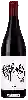
Winery WeningerFaß 26 Kékfrankos Bio
 Red wine


This wine generally goes well with
The Faß 26 Kékfrankos Bio of the Winery Weninger is in the top 90 of wines of Sopron.

Wine flavors and olphactive analysis

On the nose the Faß 26 Kékfrankos Bio of Winery Weninger in the region of Sopron often reveals types of flavors of tree fruit, red fruit.
Details and technical informations about Winery Weninger's Faß 26 Kékfrankos Bio.
Discover the grape variety: Erbaluce
Lively and mineral whites, pale golden colour, fresh and taut mouth with preserved acidity, with signature aromas of citrus (lemon, citron), green apple, white flowers (acacia) and mineral notes. Also made as Spumante sparkling and Passito dessert wine. Star of Erbaluce di Caluso DOCG in Piedmont. Autochthonous Piedmontese white grape from the province of Turin.
Last vintages of this wine

The best vintages of Faß 26 Kékfrankos Bio from Winery Weninger are 2016, 2015, 0, 2014
Informations about the Winery Weninger
The Winery Weninger is one of of the world's great estates. It offers 74 wines for sale in the of Sopron to come and discover on site or to buy online.

The wine region of Sopron
Western tip of Hungary on the Austrian border, historic cradle of Kékfrankos (Blaufränkisch). Climate tempered by Lake Neusiedl, schist and loess soils. Kékfrankos signature as king red: spicy and fresh with notes of black cherry, blackberry, plum, pepper, leather and dried herbs, firm tannins and lively acidity — medium-aged elegance. Supple juicy Zweigelt (cherry, raspberry), peppery Cabernet Franc, round Merlot.
The word of the wine: Performance
Quantity of grapes harvested per hectare. In AOC, the average yield is limited on the proposal of the appellation syndicate, validated by the Inao. The use of high-performance plant material (especially clones) and better control of vine diseases have increased yields. This is not without consequences on the quality of the wines (dilution) and on the state of the market (too much wine). We must not over-simplify: low yields are not synonymous with quality, and it is often in years with generous harvests that we find the greatest vintages (1982 and 1986 in Bordeaux, 1996 in Champagne, 1990 and 2005 in Burgundy...).