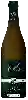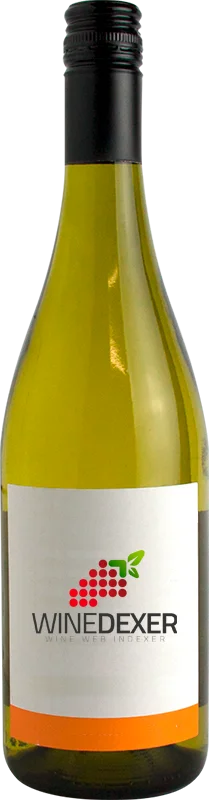
Weingut WeberTraube Liebe Hoffnung
 White wine


In the mouth this white wine is a .
This wine generally goes well with pork, cured meat or mushrooms.

Taste structure of the Traube Liebe Hoffnung from the Weingut Weber
Light | Bold | |
Dry | Sweet | |
Soft | Acidic |
In the mouth the Traube Liebe Hoffnung of Weingut Weber in the region of Baden is a .
Food and wine pairings with Traube Liebe Hoffnung
Pairings that work perfectly with Traube Liebe Hoffnung


Original food and wine pairings with Traube Liebe Hoffnung

The Traube Liebe Hoffnung of Weingut Weber matches generally quite well with dishes of pork, spicy food or mushrooms such as recipes of savoyard crozet gratin, steak tartare or arctic char with baby vegetables.
Details and technical informations about Weingut Weber's Traube Liebe Hoffnung.
Discover the grape variety: Fontanara
Simple, fresh whites to drink young with a pale golden robe, airy palate with moderate acidity, showing discrete white flower, white-fleshed fruit and neutral aromas. Accessible thirst-quenching profile. Blended with Trebbiano and Verdicchio, it adds freshness without dominating in the whites of Marche and Umbria. Italian white variety grown in central Italy, confidential and heritage.
Last vintages of this wine
The best vintages of Traube Liebe Hoffnung from Weingut Weber are 2018, 0
Informations about the Weingut Weber
The Weingut Weber is one of of the world's greatest estates. It offers 18 wines for sale in the of Baden to come and discover on site or to buy online.

The wine region of Baden
German capital of Pinot Noir (Spätburgunder): silky, fine reds with notes of red fruits, cherry, undergrowth and sweet spices, melted tannins. Round Grauburgunder (Pinot Gris), lively Weissburgunder, supple Müller-Thurgau, mineral Riesling. Germany's 3rd region (15,000 ha) in Baden-Württemberg facing Alsace, one of the country's warmest climates, volcanic soils at the Kaiserstuhl. Cradle of modern great German reds, elegant and fine.
The word of the wine: Terroir
Strictly speaking, the notion of terroir corresponds to the geological characteristics of a vineyard. However, when we talk about terroir, we take into account the soil, the climate (even the microclimate), the flora, the fauna, and the human factor that characterizes the practices that make up the art of the craft.