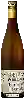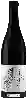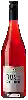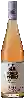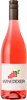
Winery Wageck-PfaffmannPortugieser Weissherbst Halbtrocken
 Pink wine



This wine generally goes well with rich fish (salmon, tuna etc), shellfish or mild and soft cheese.

Food and wine pairings with Portugieser Weissherbst Halbtrocken
Pairings that work perfectly with Portugieser Weissherbst Halbtrocken



Original food and wine pairings with Portugieser Weissherbst Halbtrocken

The Portugieser Weissherbst Halbtrocken of Winery Wageck-Pfaffmann matches generally quite well with dishes of rich fish (salmon, tuna etc), shellfish or mild and soft cheese such as recipes of sophie's tuna cake, rice with seafood or barbecue burger.
Details and technical informations about Winery Wageck-Pfaffmann's Portugieser Weissherbst Halbtrocken.
Discover the grape variety: Bogazkere
Powerful, tannic reds with an almost black ink-dark robe, firm, astringent tannins and a dense palate, showing intense aromas of blackberry, blackcurrant, black plum, leather, spices, tobacco and balsamic notes. Fine ageing potential. Star of the great Turkish reds on the arid terroirs of south-east Anatolia (Diyarbakır region, Tigris valley), often blended with öküzgözü to soften its structure. Autochthonous Anatolian variety, its name means "throat-burner" in Turkish.
Last vintages of this wine
The best vintages of Portugieser Weissherbst Halbtrocken from Winery Wageck-Pfaffmann are 0
Informations about the Winery Wageck-Pfaffmann
The Winery Wageck-Pfaffmann is one of of the world's great estates. It offers 94 wines for sale in the of Pfalz to come and discover on site or to buy online.

The wine region of Pfalz
Fleshy, dry, fruity Riesling is the region's signature: yellow peach, apricot, ripe citrus, lovely mineral tension. Germany's largest red-wine area (40%), with silky Spätburgunder showing red fruit and spice, darker structured Dornfelder, supple Portugieser. Some rounded Pinot Blanc and Pinot Gris. A 23,640 ha vineyard along the Haardt, among Germany's warmest (>2,000 h of sun).
The word of the wine: New
Said of a wine from the last harvest, and more particularly of an early wine.