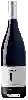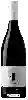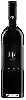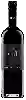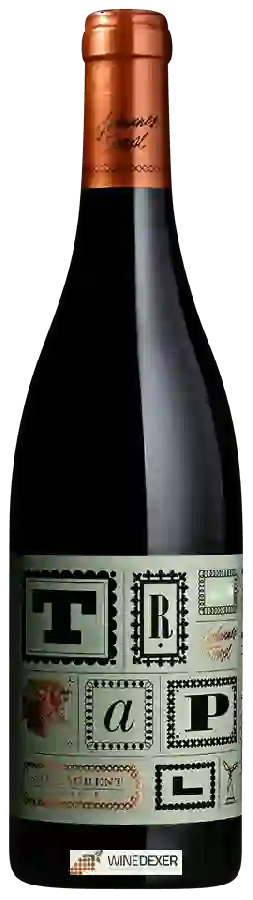
Weingut TraplReserve St. Laurent
 Red wine



This wine generally goes well with
The Reserve St. Laurent of the Weingut Trapl is in the top 90 of wines of Carnuntum.
Wine flavors and olphactive analysis



On the nose the Reserve St. Laurent of Weingut Trapl in the region of Weinland often reveals types of flavors of earth, red fruit.
Details and technical informations about Weingut Trapl's Reserve St. Laurent.
Discover the grape variety: Nero
An interspecific cross between Merlot Noir or Medoc Noir x Perle de Csaba and Villard Blanc x Gardonyi Geza, obtained in Hungary in 1965 by Josef Csizmazia. It can be found in the Netherlands, Belgium, Switzerland, Germany, Hungary, Poland, etc. In France, it is practically unknown. It should not be confused with two Italian grape varieties, the nero d'Avola and the nero di troia or uva di troia. Note that it is an ideal variety for amateur gardeners for the simple fact that it does not fear the main cryptogamic diseases such as mildew and oidium, to have an early maturity and moreover its grape is very tasty.
Last vintages of this wine
The best vintages of Reserve St. Laurent from Weingut Trapl are 2014, 0, 2016, 2015
Informations about the Weingut Trapl
The Weingut Trapl is one of of the world's greatest estates. It offers 22 wines for sale in the of Carnuntum to come and discover on site or to buy online.

The wine region of Carnuntum
The wine region of Carnuntum is located in the region of Niederösterreich of Weinland of Austria. Wineries and vineyards like the Domaine Markowitsch or the Domaine Weingut Artner produce mainly wines red, white and pink. The most planted grape varieties in the region of Carnuntum are Zweigelt, Merlot and Cabernet-Sauvignon, they are then used in wines in blends or as a single variety. On the nose of Carnuntum often reveals types of flavors of pepper, tropical fruit or citrus and sometimes also flavors of apples, peach or butter.
The wine region of Weinland
Weinviertel DAC – whose name translates as "wine quarter" – is an appellation in Niederösterreich (Lower Austria). It is by far the largest Districtus Austriae Controllatus wine region in Austria. It was also the first Austrian wine region to be given that title, in 2002, with a DAC Reserve designation added in 2009. The designation applies only to white wines from the Grüner Veltliner Grape variety.
The word of the wine: Wine library
Cellar in which are kept bottles that retrace the history of a domain, a vintage, an exceptional wine, etc., and which constitute a collection. It is also said of a place that offers a very wide choice of wines served by the glass. The oenotheques are more and more widespread in the living rooms opened to the public.