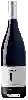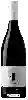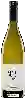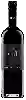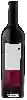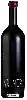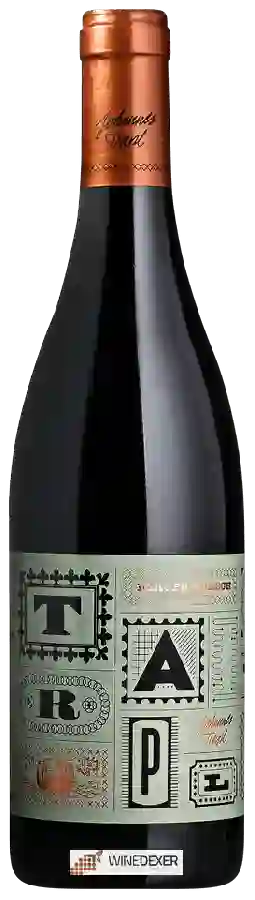
Weingut TraplReserve Blaufränkisch
 Red wine



In the mouth this red wine is a powerful with a nice balance between acidity and tannins.
This wine generally goes well with poultry, beef or pasta.
The Reserve Blaufränkisch of the Weingut Trapl is in the top 40 of wines of Carnuntum.

Taste structure of the Reserve Blaufränkisch from the Weingut Trapl
Light | Bold | |
Smooth | Tannic | |
Dry | Sweet | |
Soft | Acidic |
In the mouth the Reserve Blaufränkisch of Weingut Trapl in the region of Weinland is a powerful with a nice balance between acidity and tannins.
Wine flavors and olphactive analysis

On the nose the Reserve Blaufränkisch of Weingut Trapl in the region of Weinland often reveals types of flavors of earth.
Food and wine pairings with Reserve Blaufränkisch
Pairings that work perfectly with Reserve Blaufränkisch



Original food and wine pairings with Reserve Blaufränkisch
The Reserve Blaufränkisch of Weingut Trapl matches generally quite well with dishes of beef, pasta or poultry such as recipes of hungarian goulash, pasta with scamorza and pancetta cheese or chicken tenderloins with lemon cream.
Details and technical informations about Weingut Trapl's Reserve Blaufränkisch.
Discover the grape variety: Corinto Nero
Small, intensely coloured seedless grapes, mainly destined for raisin production. More rarely vinified into confidential sweet and liqueur wines from the Aeolian Islands, with a dark colour, luscious palate and aromas of candied black fruit, raisins and spices. Grown in the Cyclades (island of Lipari) and southern Italy. A seedless mutation of the Corinth raisin, an ancient Greek black variety.
Last vintages of this wine
The best vintages of Reserve Blaufränkisch from Weingut Trapl are 2015, 2016, 2014, 0
Informations about the Weingut Trapl
The Weingut Trapl is one of of the world's greatest estates. It offers 22 wines for sale in the of Carnuntum to come and discover on site or to buy online.

The wine region of Carnuntum
Austrian flagship region for great reds east of Vienna (DAC 2019): signature Zweigelt and Blaufränkisch as king reds — structured and fruity with cherry, raspberry, blackberry, blackcurrant, spice (pepper, cinnamon) and a floral touch, dense tannins and preserved acidity. Saint-Laurent and Pinot Noir as backup. Some fresh whites (Grüner Veltliner, Chardonnay). DAC, loess, gravel and limestone soils (Spitzerberg), warm Pannonian climate.
The wine region of Weinland
Vast German-speaking region in north-eastern Switzerland, the country's largest production area. Signature Pinot Noir (Blauburgunder): fine, fresh reds with notes of cherry, raspberry, undergrowth and sweet spices, silky tannins. Elegant, delicate style, often barrel-aged. Also light, floral Müller-Thurgau (Riesling-Sylvaner), lively, lemony native Räuschling, ample Pinot Gris.
The word of the wine: Paille (wine of)
A sweet wine obtained by passerillage after harvesting bunches of grapes placed on racks or hung in well-ventilated premises.