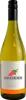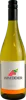
Weingut SchwörerDurbacher Plauelrain Grauer Burgunder Kabinett Trocken
 White wine
In the mouth this white wine is a .
This wine generally goes well with pork, cured meat or mushrooms.
Taste structure of the Durbacher Plauelrain Grauer Burgunder Kabinett Trocken from the Weingut Schwörer
Light | Bold | |
Dry | Sweet | |
Soft | Acidic |
In the mouth the Durbacher Plauelrain Grauer Burgunder Kabinett Trocken of Weingut Schwörer in the region of Baden is a .
Food and wine pairings with Durbacher Plauelrain Grauer Burgunder Kabinett Trocken
Pairings that work perfectly with Durbacher Plauelrain Grauer Burgunder Kabinett Trocken


Original food and wine pairings with Durbacher Plauelrain Grauer Burgunder Kabinett Trocken

The Durbacher Plauelrain Grauer Burgunder Kabinett Trocken of Weingut Schwörer matches generally quite well with dishes of pork, spicy food or mushrooms such as recipes of delicious marinated pork chops, silvia's quick wolf fillet or omelette with chanterelles, garlic and parsley.
Details and technical informations about Weingut Schwörer's Durbacher Plauelrain Grauer Burgunder Kabinett Trocken.
Discover the grape variety: Ganson
Ganson noir is a grape variety that originated in France (Languedoc). It produces a variety of grape specially used for wine making. It is rare to find this grape to eat on our tables. This variety of grape is characterized by large bunches and large grapes. Ganson noir can be found in several vineyards: South-West, Cognac, Bordeaux, Rhône valley, Languedoc & Roussillon, Provence & Corsica, Loire valley, Savoie & Bugey, Beaujolais.
Informations about the Weingut Schwörer
The Weingut Schwörer is one of of the world's great estates. It offers 36 wines for sale in the of Baden to come and discover on site or to buy online.

The wine region of Baden
Baden is the southernmost of Germany's 13 official wine regions. It is also the warmest. Its relatively sunny, DryClimate permits the production of good-quality Spätburgunder (Pinot Noir) and ripe, relatively Full-bodied">Full-bodied examples of Grauburgunder (Pinot Gris) and Weissburgunder (Pinot Blanc). These are often made in oaked styles.
The word of the wine: Sweet (flavor)
The flavour provided by the residual sugars naturally present in the wine as well as by certain alcohols. This sensation can range from a simple impression of smoothness to a clear sweetness. We speak of roundness, fatness and mellowness.