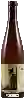
Weingut Schloss SommerhausenMuskatsilvaner
 White wine
In the mouth this white wine is a with a nice freshness.
This wine generally goes well with vegetarian, shellfish or goat cheese.

Taste structure of the Muskatsilvaner from the Weingut Schloss Sommerhausen
Light | Bold | |
Dry | Sweet | |
Soft | Acidic |
In the mouth the Muskatsilvaner of Weingut Schloss Sommerhausen in the region of Franken is a with a nice freshness.
Food and wine pairings with Muskatsilvaner
Pairings that work perfectly with Muskatsilvaner



Original food and wine pairings with Muskatsilvaner
The Muskatsilvaner of Weingut Schloss Sommerhausen matches generally quite well with dishes of shellfish, vegetarian or goat cheese such as recipes of bouillabaisse like in marseille, quiche with leeks and fresh salmon from flo or broccoli and leek spread with fine herbs.
Details and technical informations about Weingut Schloss Sommerhausen's Muskatsilvaner.
Discover the grape variety: Niellucciu
Structured, elegant age-worthy reds with a deep ruby robe, firm tannins and an ample palate, with signature aromas of red fruits (cherry, plum), spices (pepper), garrigue, immortelle and Mediterranean notes. Also structured rosés. Star of Patrimonio AOC (northern Corsica, calcareous soils) and present in Cap Corse AOC. Corsican synonym for Nielluccio, identical to Italian Sangiovese; indigenous black variety from Cap Corse.
Informations about the Weingut Schloss Sommerhausen
The Weingut Schloss Sommerhausen is one of of the world's great estates. It offers 86 wines for sale in the of Franken to come and discover on site or to buy online.

The wine region of Franken
Homeland of German Silvaner: dry, straight, mineral and lively whites with notes of green apple, citrus, fresh herbs and a saline touch, planted here for over 350 years (1,500 ha, a quarter of the vineyard). Also supple, floral Müller-Thurgau, taut Riesling, aromatic Bacchus. Some discreet reds (Spätburgunder). 6,040 ha in Bavaria along the Main around Würzburg, red sandstone and shell-limestone soils.
The word of the wine: Arching
A stage in the vegetative cycle of the vine that occurs after the leaves have fallen and is characterized by the drying out of the soft shoots, which are transformed into hard shoots by lignification.