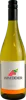
Weingut SchaufGrüner Silvaner Trocken
 White wine
In the mouth this white wine is a with a nice freshness.
This wine generally goes well with pork, vegetarian or poultry.

Taste structure of the Grüner Silvaner Trocken from the Weingut Schauf
Light | Bold | |
Dry | Sweet | |
Soft | Acidic |
In the mouth the Grüner Silvaner Trocken of Weingut Schauf in the region of Rheinhessen is a with a nice freshness.
Food and wine pairings with Grüner Silvaner Trocken
Pairings that work perfectly with Grüner Silvaner Trocken



Original food and wine pairings with Grüner Silvaner Trocken


The Grüner Silvaner Trocken of Weingut Schauf matches generally quite well with dishes of veal, pork or vegetarian such as recipes of potjevleesch, turkey stuffed with chestnuts or leek, goat cheese and bacon quiche.
Details and technical informations about Weingut Schauf's Grüner Silvaner Trocken.
Discover the grape variety: Muscat de Saint Vallier
Table grape with long clusters and golden berries with thin skin and muscat flesh, featuring a characteristic aromatic sweet flavour (rose, fresh grape). Very rarely vinified. Grown for fresh consumption in south-eastern France, appreciated for its typical muscat flavour and good shelf life. French white table grape variety obtained around 1922 in Saint-Vallier (Drôme), a muscat crossing.
Informations about the Weingut Schauf
The Weingut Schauf is one of of the world's great estates. It offers 38 wines for sale in the of Rheinhessen to come and discover on site or to buy online.

The wine region of Rheinhessen
71% white region: Riesling is king (5,000 ha), dry to off-dry, ripe yellow fruit, apple, citrus and fine saline minerality. Supple, floral Müller-Thurgau for everyday, the world's largest Silvaner plantation with herbaceous, straight notes. Historic cradle of off-sweet Liebfraumilch. Some supple reds (Dornfelder, Spätburgunder).
The word of the wine: Rosé de saignée
A method of making rosé wine that consists of partially draining a vat of red wine after a few hours of maceration. The longer the maceration, the stronger the colour. This practice gives rich and expressive rosés.