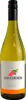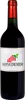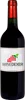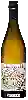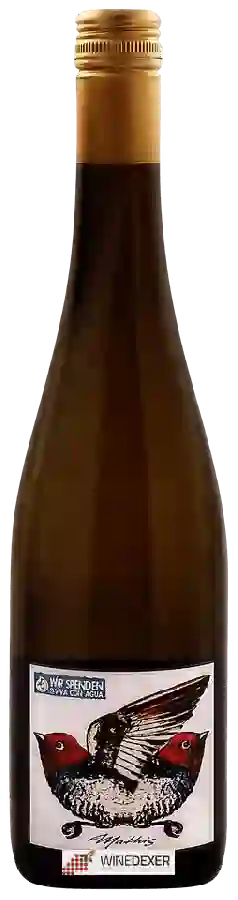
Weingut MathisViva Con Aqua Gelber Muskateller - Silvaner
 White wine


In the mouth this white wine is a with a nice freshness.
This wine generally goes well with pork, vegetarian or poultry.
Taste structure of the Viva Con Aqua Gelber Muskateller - Silvaner from the Weingut Mathis
Light | Bold | |
Dry | Sweet | |
Soft | Acidic |
In the mouth the Viva Con Aqua Gelber Muskateller - Silvaner of Weingut Mathis in the region of Pfalz is a with a nice freshness.
Food and wine pairings with Viva Con Aqua Gelber Muskateller - Silvaner
Pairings that work perfectly with Viva Con Aqua Gelber Muskateller - Silvaner



Original food and wine pairings with Viva Con Aqua Gelber Muskateller - Silvaner


The Viva Con Aqua Gelber Muskateller - Silvaner of Weingut Mathis matches generally quite well with dishes of veal, pork or vegetarian such as recipes of roast veal orloff, italian pasta or quiche with bacon and gruyère cheese.
Details and technical informations about Weingut Mathis's Viva Con Aqua Gelber Muskateller - Silvaner.
Discover the grape variety: Queen
Intraspecific crossing obtained in 1954 in the United States by Professor Harold P. Olmo of the University of Davis (California) by crossing the Hamburg Muscat with the Sultana.
Last vintages of this wine
The best vintages of Viva Con Aqua Gelber Muskateller - Silvaner from Weingut Mathis are 0
Informations about the Weingut Mathis
The Weingut Mathis is one of of the world's greatest estates. It offers 35 wines for sale in the of Pfalz to come and discover on site or to buy online.

The wine region of Pfalz
Pfalz is a key wine producing region in western Germany, located between the Rhein/Rhine river and the low-lying Haardt mountain range (a natural continuation of the Alsatian Vosges). It covers a rectangle of land 45 miles (75km) Long and 15 miles (25km) wide. To the NorthLiesRheinhessen; to the South, the French border and Alsace. In terms of both quality and quantity, Pfalz is one of Germany's most important regions, and one which shows great promise for the future.
The word of the wine: Chaptalization
The addition of sugar at the time of fermentation of the must, an ancient practice, but theorized by Jean-Antoine Chaptal at the dawn of the 19th century. The sugar is transformed into alcohol and allows the natural degree of the wine to be raised in a weak or cold year, or - more questionably - when the winegrower has a harvest that is too large to obtain good maturity.