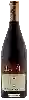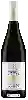
Weingut Disibodenberg - Klostermühle OdernheimSpätburgunder Trocken
 Red wine


In the mouth this red wine is a with a nice freshness.
This wine generally goes well with poultry, beef or veal.

Taste structure of the Spätburgunder Trocken from the Weingut Disibodenberg - Klostermühle Odernheim
Light | Bold | |
Smooth | Tannic | |
Dry | Sweet | |
Soft | Acidic |
In the mouth the Spätburgunder Trocken of Weingut Disibodenberg - Klostermühle Odernheim in the region of Nahe is a with a nice freshness.
Food and wine pairings with Spätburgunder Trocken
Pairings that work perfectly with Spätburgunder Trocken



Original food and wine pairings with Spätburgunder Trocken

The Spätburgunder Trocken of Weingut Disibodenberg - Klostermühle Odernheim matches generally quite well with dishes of beef, veal or game (deer, venison) such as recipes of beef in white wine, roast veal orloff with mushrooms or rabbit in sauce.
Details and technical informations about Weingut Disibodenberg - Klostermühle Odernheim's Spätburgunder Trocken.
Discover the grape variety: Areny Tcherny
Structured, elegant reds with a deep ruby robe, firm yet fine tannins and a taut palate with preserved acidity. Signature aromas of red fruits (cherry, raspberry), spice and high-altitude mineral notes. Fine ageing potential. Also known as Areni Noir, it is the flagship variety of modern Armenian viticulture, grown at altitude in the Vayots Dzor. A native Armenian black grape, one of the oldest cultivated varieties in the world (–4100 BC).
Last vintages of this wine
The best vintages of Spätburgunder Trocken from Weingut Disibodenberg - Klostermühle Odernheim are 0
Informations about the Weingut Disibodenberg - Klostermühle Odernheim
The Weingut Disibodenberg - Klostermühle Odernheim is one of of the world's great estates. It offers 42 wines for sale in the of Nahe to come and discover on site or to buy online.

The wine region of Nahe
Homeland of a mineral Riesling of exceptional geological expression: lively, precise whites with notes of peach, citrus, green apple, gunflint and fine salinity, from taut dry to botrytised sweet. 75% whites, Riesling king (27%) complemented by round Pinot Gris and supple Pinot Blanc. Rising reds: silky Spätburgunder with red fruit, darker Dornfelder. 4,240 ha along the Nahe river, among the most diverse soils in Germany (180 formations).
The word of the wine: Sulphur
An antiseptic and antioxidant substance known since antiquity, probably already used by the Romans. But it was only in modern times that its use was rediscovered. It will allow a better conservation of the wine and thus favour its export. Sulphur also gave the 18th century winegrower the possibility of extending the maceration period without fearing that the wine would turn sour and thus go from dark rosé wines to the red wines of today. Excessive sulphur, on the other hand, kills happiness, paralysing the aromas and causing headaches.