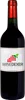
Winery Walsh Family WineLoudoun County Cuvée
 Red wine



This wine generally goes well with beef and game (deer, venison).

Food and wine pairings with Loudoun County Cuvée
Pairings that work perfectly with Loudoun County Cuvée


Original food and wine pairings with Loudoun County Cuvée
The Loudoun County Cuvée of Winery Walsh Family Wine matches generally quite well with dishes of beef or game (deer, venison) such as recipes of venison leg in casserole or duck breast in foil (barbecue).
Details and technical informations about Winery Walsh Family Wine's Loudoun County Cuvée.
Discover the grape variety: Merlot
Round and fleshy reds with a velvety texture, showing aromas of ripe plum, black cherry, cocoa and truffle notes with age. Supple tannins, generous alcohol, indulgent finish. Pillar of Libournais (Pomerol with Pétrus, Saint-Émilion with Cheval Blanc and Ausone) and signature of Super Tuscans, Italian Wales and Washington State. A cross of Cabernet Franc × Magdeleine Noire, France's most planted red variety.
Last vintages of this wine
The best vintages of Loudoun County Cuvée from Winery Walsh Family Wine are 2018, 0
Informations about the Winery Walsh Family Wine
The Winery Walsh Family Wine is one of of the world's greatest estates. It offers 16 wines for sale in the of Virginia to come and discover on site or to buy online.

The wine region of Virginia
Quality pole of the American east coast, unique signature in Viognier: ample, fragrant whites with notes of apricot, white peach, honey and flowers, silky on the palate. Cabernet Franc star in red, fine and fresh (raspberry, ripe pepper, spices). Also dense Petit Verdot, round Merlot, balanced Chardonnay, Vidal Blanc and native Norton. Humid continental climate tempered by the Appalachians, 8 AVAs (Monticello, Shenandoah).
The word of the wine: Tanin
A natural compound contained in the skin of the grape, the seed or the woody part of the bunch, the stalk. The maceration of red wines allows the extraction of tannins, which give the texture, the solidity and also the mellowness when the tannins are "ripe". The winemaker seeks above all to extract the tannins from the skin, the ripest and most noble. The tannins of the seed or stalk, which are "greener", especially in average years, give the wine hardness and astringency. The wines of Bordeaux (based on Cabernet and Merlot) are full of tannins, those of Burgundy much less so, with Pinot Noir containing little.