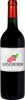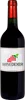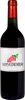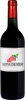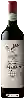
Winery WA CleanskinOdd Ball Tempranillo
 Red wine
This wine generally goes well with pork, beef or game (deer, venison).
Food and wine pairings with Odd Ball Tempranillo
Pairings that work perfectly with Odd Ball Tempranillo



Original food and wine pairings with Odd Ball Tempranillo


The Odd Ball Tempranillo of Winery WA Cleanskin matches generally quite well with dishes of beef, lamb or pork such as recipes of slow-cooked fillet of beef, lamb tagine with prunes and almonds or pasta carbonara almost like the real thing.
Details and technical informations about Winery WA Cleanskin's Odd Ball Tempranillo.
Discover the grape variety: Tempranillo
The black Tempranillo is a grape variety native to Spain. It produces a variety of grape specially used for the elaboration of wine. It is rare to find this grape to eat on our tables. This variety of grape is characterized by medium-sized bunches and medium-sized grapes. The black Tempranillo can be found in several vineyards: South-West, Languedoc & Roussillon, Cognac, Bordeaux, Rhone valley, Provence & Corsica, Loire valley, Savoie & Bugey, Beaujolais.
Informations about the Winery WA Cleanskin
The Winery WA Cleanskin is one of of the world's greatest estates. It offers 26 wines for sale in the of Australie du Sud to come and discover on site or to buy online.

The wine region of Australie du Sud
SouthAustralia is one of Australia's six states, located (as the name suggests) in the south of the vast island continent. It's the engine room of the Australian wine industry, responsible for about half of the country's total production each year. But there's more to the region than quantity - countless high-quality wines are produced here, most from the region's signature Grape, Shiraz. These include such fine, collectible wines as Penfolds Grange, Henschke Hill of Grace, Torbreck The Laird and d'Arenberg The Dead Arm.
The word of the wine: Yeast
Micro-organisms at the base of all fermentative processes. A wide variety of yeasts live and thrive naturally in the vineyard, provided that treatments do not destroy them. Unfortunately, their replacement by laboratory-selected yeasts is often the order of the day and contributes to the standardization of the wine. Yeasts are indeed involved in the development of certain aromas.