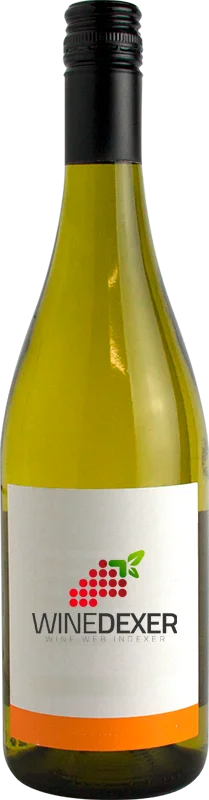
Winery VynecrestTraminette
 White wine



This wine generally goes well with

Wine flavors and olphactive analysis


On the nose the Traminette of Winery Vynecrest in the region of Pennsylvania often reveals types of flavors of oak.
Details and technical informations about Winery Vynecrest's Traminette.
Discover the grape variety: Traminette
Muscat-scented, structured whites with a golden robe, full palate and firm acidity. Intense aromas of rose, lychee, white flowers, yellow fruits (peach, apricot), honey and soft spices reminiscent of Gewürztraminer. Produced as dry, off-dry and sweet styles. Aromatic flagship of the American north-east (Indiana — the state's signature variety —, New York, Ohio, Pennsylvania) and Canada. Hybrid created in 1965 by Cornell University (Joannes Seyve 23.416 × Gewürztraminer).
Last vintages of this wine
The best vintages of Traminette from Winery Vynecrest are 0, 2012
Informations about the Winery Vynecrest
The Winery Vynecrest is one of of the world's greatest estates. It offers 25 wines for sale in the of Lehigh Valley to come and discover on site or to buy online.

The wine region of Lehigh Valley
Pennsylvania AVA (~1,888 sq mi, 6 counties), cool continental climate comparable to central Europe, well-drained shale soils. Chambourcin reigns in red (hybrid called "valley jewel", planted everywhere): fruity and supple with cherry, raspberry, blackberry, herbs and peppery touch, fine tannins. Taut Riesling (lime, green apple, petrol, white flowers), ample Chardonnay in vinifera whites. Vidal, Cayuga, Marquette, Frontenac hybrids.
The wine region of Pennsylvania
Historic East Coast vineyard (planted from 1683 by William Penn). Cabernet Franc as flagship: fresh, peppery reds with notes of raspberry, ripe bell pepper, violet and fresh herbs, supple tannins. Colourful, fruity Chambourcin hybrid (cherry, plum), off-dry Vidal Blanc with exotic fruit, aromatic Traminette (rose, lychee). Also mineral Riesling and Chardonnay.
The word of the wine: Size (champagne)
Juices that flow from the press after the cuvée, at the second pressing. Less fine, often more vegetal, it is mainly used to make the first price champagnes.