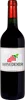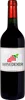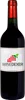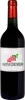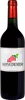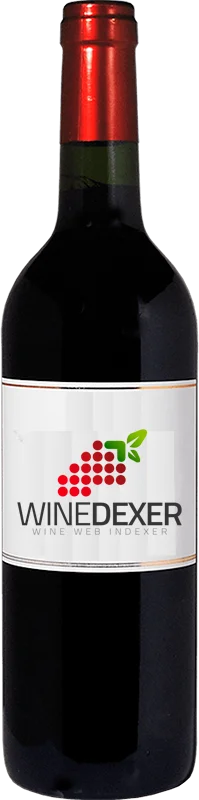
Winery Clover HillChambourcin
 Red wine


This wine generally goes well with game (deer, venison) and spicy food.
The Chambourcin of the Winery Clover Hill is in the top 60 of wines of Pennsylvania.

Wine flavors and olphactive analysis


On the nose the Chambourcin of Winery Clover Hill in the region of Pennsylvania often reveals types of flavors of red fruit.
Food and wine pairings with Chambourcin
Pairings that work perfectly with Chambourcin


Original food and wine pairings with Chambourcin
The Chambourcin of Winery Clover Hill matches generally quite well with dishes of game (deer, venison) or spicy food such as recipes of fillet of venison or rib steak, tomato sauce, peppers..
Details and technical informations about Winery Clover Hill's Chambourcin.
Discover the grape variety: Chambourcin
Richly coloured and fruity reds with a purple colour and supple tannins, on aromas of black cherry, blackberry, blackcurrant, spices and herbal notes. Round palate, fresh finish, best drunk young. A disease-resistant hybrid, it produces organic and sustainable reds in the Loire Valley (IGP Atlantique, IGP Val de Loire), the United States (Pennsylvania, Missouri, Virginia) and Australia (New South Wales). French hybrid created in 1963 by Joannès Seyve.
Last vintages of this wine
The best vintages of Chambourcin from Winery Clover Hill are 2012, 0, 2013
Informations about the Winery Clover Hill
The Winery Clover Hill is one of of the world's great estates. It offers 34 wines for sale in the of Pennsylvania to come and discover on site or to buy online.

The wine region of Pennsylvania
Historic East Coast vineyard (planted from 1683 by William Penn). Cabernet Franc as flagship: fresh, peppery reds with notes of raspberry, ripe bell pepper, violet and fresh herbs, supple tannins. Colourful, fruity Chambourcin hybrid (cherry, plum), off-dry Vidal Blanc with exotic fruit, aromatic Traminette (rose, lychee). Also mineral Riesling and Chardonnay.
The word of the wine: Flavours
There are generally four so-called fundamental flavours: acidity, bitterness, sweetness and saltiness. The first three are considered to be the building blocks of the structure of wines. They are perceived by the taste buds that cover the surface of the tongue.