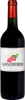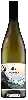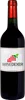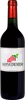
Winery Von SalisWein Einfach Fein Rot
 Red wine


This wine is a blend of 2 varietals which are the Gamaret and the Pinot noir.
This wine generally goes well with pork, poultry or veal.

Food and wine pairings with Wein Einfach Fein Rot
Pairings that work perfectly with Wein Einfach Fein Rot



Original food and wine pairings with Wein Einfach Fein Rot


The Wein Einfach Fein Rot of Winery Von Salis matches generally quite well with dishes of veal, pork or game (deer, venison) such as recipes of pork tenderloin with onions, rabbit in white wine (casserole) or duck parmentier with ceps.
Details and technical informations about Winery Von Salis's Wein Einfach Fein Rot.
Discover the grape variety: Gamaret
Structured, colourful reds with a dense purple robe and firm tannins, featuring aromas of blackcurrant, blackberry, black cherry, spices and peppery notes. Fresh acidity, good performance in oak ageing. Made as a single-variety ageing wine and in many premium Swiss blends with Garanoir, Gamay and Pinot Noir. Star of modern reds from Vaud, Geneva and Valais. A Gamay × Reichensteiner cross created in 1970 at the Pully research station (Switzerland).
Last vintages of this wine
The best vintages of Wein Einfach Fein Rot from Winery Von Salis are 2018, 0
Informations about the Winery Von Salis
The Winery Von Salis is one of of the world's greatest estates. It offers 59 wines for sale in the of Graubünden to come and discover on site or to buy online.

The wine region of Graubünden
Wine canton of eastern German-speaking Switzerland (Grisons), 423 ha at the heart of the Bündner Herrschaft (Fläsch, Maienfeld, Malans, Jenins). Signature Pinot Noir (Blauburgunder, >70%): reds among the noblest in Switzerland, fine and silky with notes of cherry, raspberry, undergrowth, sweet spices and a limestone mineral touch, delicate tannins - compared to the great Burgundies. Schistous limestone soils, a climate tempered by the foehn (warmest area of German-speaking Switzerland).
The word of the wine: Wirehood
Flexible metal fastener used to hold the cork of champagne bottles.