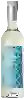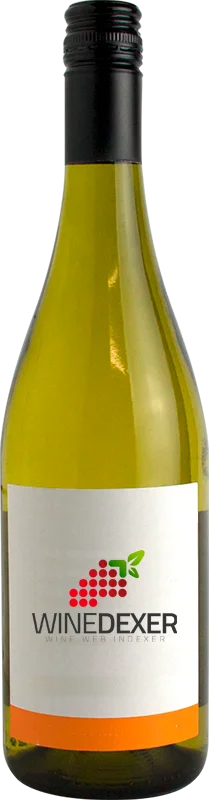
Winery VistasSauvignon Blanc
 White wine
In the mouth this white wine is a with a nice freshness.
This wine generally goes well with vegetarian, shellfish or goat cheese.

Taste structure of the Sauvignon Blanc from the Winery Vistas
Light | Bold | |
Dry | Sweet | |
Soft | Acidic |
In the mouth the Sauvignon Blanc of Winery Vistas in the region of Castille is a with a nice freshness.
Food and wine pairings with Sauvignon Blanc
Pairings that work perfectly with Sauvignon Blanc



Original food and wine pairings with Sauvignon Blanc
The Sauvignon Blanc of Winery Vistas matches generally quite well with dishes of shellfish, vegetarian or goat cheese such as recipes of navarin of the sea da gigi, magic cake cheese quiche or baskets of goat cheese with honey and nuts.
Details and technical informations about Winery Vistas's Sauvignon Blanc.
Discover the grape variety: Chancellor
Coloured and fruity reds with a dense ruby robe, supple tannins and fresh acidity, with aromas of red and black fruits (cherry, blackberry, plum), soft spices and slightly herbaceous notes. Round mouthfeel, best drunk young. A highly frost- and disease-resistant hybrid, the driving force of northern vineyards: north-eastern USA (Finger Lakes, Pennsylvania) and Canada (Ontario). A French hybrid created around 1920 by Albert Seibel (Seibel 7053).
Informations about the Winery Vistas
The Winery Vistas is one of of the world's greatest estates. It offers 2 wines for sale in the of La Mancha to come and discover on site or to buy online.

The wine region of La Mancha
World's largest contiguous wine area (190,000 ha), south of Madrid. Accessible, sunny wines: Tempranillo (here Cencibel) in full quality rise, supple reds with notes of ripe cherry, plum and spices; spicy Syrah, firm Cabernet Sauvignon, round Merlot. Light neutral Airén whites (75% of the vineyard), fresh Macabeo (Viura). Dry, hot continental climate, limestone and clay soils.
The wine region of Castille
Cradle of great Castilian reds, high-altitude plateaus (450-1000 m) along the Duero. Tempranillo king (aka Tinta de Toro, Tinto Fino): powerful, concentrated, structured reds with notes of black cherry, plum, leather, tobacco and spice, firm tannins from altitude and cool nights. Stars: Ribera del Duero (Vega Sicilia, Pingus), fleshy Toro, Bierzo (floral, mineral Mencía). Lively, herbaceous Verdejo whites from Rueda.
The word of the wine: Malolactic fermentation
Called second fermentation or malo for short. It is the degradation (under the effect of bacteria) of the malic acid naturally present in the wine into milder, less aggressive lactic acid. Some producers or wineries refuse this operation by "blocking the malo" (by cold and adding SO2) to keep a maximum of acidity which carries the aromas and accentuates the sensation of freshness.