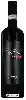
Winery VinosiaNegroamaro
 Red wine


In the mouth this red wine is a powerful.
This wine generally goes well with beef, lamb or pasta.

Taste structure of the Negroamaro from the Winery Vinosia
Light | Bold | |
Smooth | Tannic | |
Dry | Sweet | |
Soft | Acidic |
In the mouth the Negroamaro of Winery Vinosia in the region of Campania is a powerful.
Wine flavors and olphactive analysis



On the nose the Negroamaro of Winery Vinosia in the region of Campania often reveals types of flavors of black fruit.
Food and wine pairings with Negroamaro
Pairings that work perfectly with Negroamaro



Original food and wine pairings with Negroamaro
The Negroamaro of Winery Vinosia matches generally quite well with dishes of beef, pasta or lamb such as recipes of pot-au-feu, pasta with chicken and curry or lamb tagine with olives and honey.
Details and technical informations about Winery Vinosia's Negroamaro.
Discover the grape variety: Ruländer
Structured, aromatic whites in dry, sweet and botrytised styles, with a golden to amber robe and a rich, ample palate with fine acidity. Signature aromas of yellow fruits (pear, apricot, quince), honey, soft spices, candied fruits and brioche notes. Grown in Germany (Baden, Palatinate), defining great German whites for ageing. German synonym for Pinot Gris (Grauburgunder), a grey-skinned mutation of Burgundy's Pinot Noir.
Last vintages of this wine
The best vintages of Negroamaro from Winery Vinosia are 2017, 2016, 2015, 0 and 2018.
Informations about the Winery Vinosia
The Winery Vinosia is one of of the world's great estates. It offers 47 wines for sale in the of Campania to come and discover on site or to buy online.

The wine region of Campania
Cradle of southern Italy's great wines on volcanic soils. Majestic Aglianico in red: structured, deep and tannic with notes of black cherry, candied plum, leather and spices, sublimated in age-worthy Taurasi DOCG, the "Barolo of the south". Identity whites of Irpinia: opulent Fiano di Avellino (honey, hazelnut), mineral iodine Greco di Tufo, aromatic Falanghina (peach, flowers). Also supple Piedirosso.
The word of the wine: Sulphating
Treatment, formerly practiced with copper sulfate, applied to the vine to prevent cryptogamic diseases.