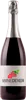
Winery SimbiosisBobal Sincero
 Red wine


In the mouth this red wine is a powerful.
This wine generally goes well with poultry, beef or veal.

Taste structure of the Bobal Sincero from the Winery Simbiosis
Light | Bold | |
Smooth | Tannic | |
Dry | Sweet | |
Soft | Acidic |
In the mouth the Bobal Sincero of Winery Simbiosis in the region of Madrid is a powerful.
Food and wine pairings with Bobal Sincero
Pairings that work perfectly with Bobal Sincero



Original food and wine pairings with Bobal Sincero

The Bobal Sincero of Winery Simbiosis matches generally quite well with dishes of beef, pasta or veal such as recipes of barbecued prime rib with coarse salt, pasta with mushroom sauce or express veal stew in a pressure cooker.
Details and technical informations about Winery Simbiosis's Bobal Sincero.
Discover the grape variety: Bobal
Intensely coloured, structured reds with an inky robe and tight tannins, featuring aromas of blackberry, black plum, black cherry, spices, liquorice and balsamic notes. High acidity and good ageing potential in old vines. The absolute star of Utiel-Requena DO (Valencia province) where it is experiencing a marked qualitative revival, also made as typey Clarete rosés and modern ageing cuvées. Also in Manchuela DO and Ribera del Júcar DO. Native Levantine grape.
Last vintages of this wine
The best vintages of Bobal Sincero from Winery Simbiosis are 0
Informations about the Winery Simbiosis
The Winery Simbiosis is one of of the world's greatest estates. It offers 3 wines for sale in the of Madrid to come and discover on site or to buy online.

The wine region of Madrid
High-altitude Spanish DO (600-1,000 m), a qualitative renaissance led by old Garnacha vines. Sun-drenched, fine Garnacha reds with signature notes of ripe cherry, wild strawberry, garrigue, white pepper and a granite mineral touch, silky tannins and altitude freshness — San Martín de Valdeiglesias leads. Fleshy Tempranillo (Tinto Fino) at Arganda. Native Albillo Real whites, ample and floral (pear, honey).
The word of the wine: Biodynamics
Biodynamic farming method initiated by Rudolf Steiner which forbids all chemical treatments based on synthetic products. Biodynamics is based on the interaction between the movements of the planets and the development of plants and uses preparations based on organic and mineral materials.